
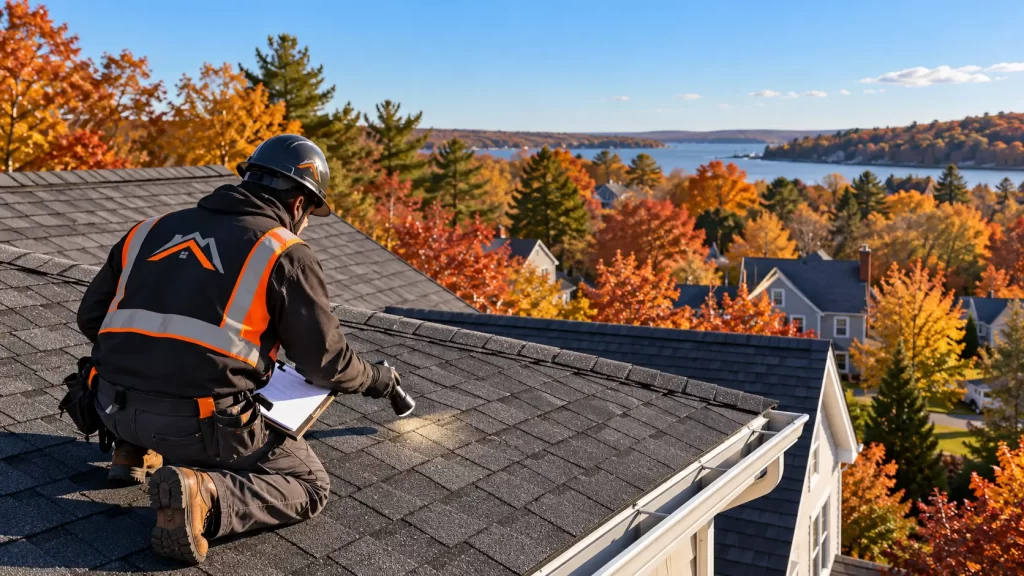
October in Peabody, Massachusetts brings more than falling leaves and cooler temperatures—it’s the most critical time of year to ensure your roof is ready for the harsh winter ahead. A professional fall roof inspection can mean the difference between a minor repair now and a major emergency when the first snowstorm hits. At Over The Top Roofing, we’ve spent 25+ years protecting Peabody homes, and we know that preventive care in fall saves homeowners thousands of dollars in winter damage.
New England winters are unforgiving. Ice dams, heavy snow loads, freezing rain, and rapid temperature swings put immense stress on roofing systems. If your roof has even minor vulnerabilities—loose shingles, compromised flashing, or clogged gutters—winter weather will exploit them. A thorough fall roof inspection identifies these issues before they escalate, giving you time to address them while conditions are still favorable for repairs.
Peabody homeowners often underestimate the wear and tear that summer heat and fall storms inflict on roofs. UV exposure weakens shingles, wind loosens fasteners, and autumn rain tests every seal and flashing joint. By the time you notice a leak in January, the damage has already spread into your attic, insulation, and possibly your interior walls. That’s why professional roof inspection services in Peabody are not optional—they’re essential.
Over The Top Roofing brings unmatched expertise and industry-leading warranties to every inspection. Our team doesn’t just look for obvious problems; we assess the long-term health of your entire roofing system, from shingles to structure. With transparent communication and detailed reporting, we ensure you understand exactly what your roof needs to survive another New England winter with confidence.
Summary:
- Why Fall Is the Most Critical Time for Roof Inspections in Peabody
- What Over The Top Roofing Checks During a Fall Roof Inspection
- Shingle Condition and Granule Loss
- Flashing Integrity Around Chimneys and Vents
- Gutter and Drainage System Functionality
- Attic Ventilation and Insulation Assessment
- Common Fall Roofing Issues Found in Peabody Homes
- How a Fall Inspection Prevents Costly Winter Repairs
- What to Expect from Over The Top Roofing’s Inspection Process
- Schedule Your Fall Roof Inspection in Peabody Today
- FAQ: Fall Roof Inspections in Peabody, MA
Why Fall Is the Most Critical Time for Roof Inspections in Peabody
Fall sits at the intersection of seasonal extremes. Your roof has just endured the intense heat and UV exposure of summer, which causes shingles to expand, contract, and lose protective granules. Autumn storms bring wind-driven rain that tests every vulnerable point—flashing seals, shingle edges, and valley channels. If these weaknesses aren’t addressed before winter, they become entry points for ice, snow melt, and freezing moisture that can destroy roofing materials from the inside out.
Peabody’s climate makes fall inspections even more urgent. The town’s proximity to the coast means exposure to salt air, which accelerates corrosion of metal components like flashing, fasteners, and gutters. Combined with the freeze-thaw cycles that begin in late October and intensify through March, even small cracks or gaps can expand into catastrophic failures. A fall inspection catches these vulnerabilities while repair conditions are still ideal—moderate temperatures, dry weather, and full crew availability.
Timing matters. Waiting until November or December often means scheduling delays as roofing contractors enter their busiest emergency-repair season. By scheduling your inspection in early to mid-October, you ensure availability for any necessary repairs before the first freeze. You also gain peace of mind knowing your home is protected before holiday travel, winter storms, and the stress of heating season.
Insurance considerations add another layer of importance. Many homeowners insurance policies require regular maintenance and inspections to maintain full coverage for storm damage. A documented fall inspection from a licensed contractor like Over The Top Roofing provides proof of diligence, which can be critical if you need to file a claim after winter weather damage. Our detailed inspection reports include photos, condition assessments, and clear recommendations that satisfy insurance requirements and protect your investment.
What Over The Top Roofing Checks During a Fall Roof Inspection
Our fall roof inspections in Peabody follow a comprehensive, systematic process that examines every component of your roofing system. We don’t rush. We don’t cut corners. With 25+ years of expertise, we know exactly where problems hide and how to identify issues before they become emergencies. Every inspection includes both exterior and interior assessments to give you a complete picture of your roof’s health.
Shingle Condition and Granule Loss
Shingles are your roof’s first line of defense, and fall inspections focus heavily on their integrity. We check for curling, cracking, blistering, and missing shingles—all signs of aging or storm damage. Granule loss is a key indicator we assess closely. As shingles age, they shed the protective granules that shield them from UV rays and moisture. Excessive granule loss, visible as bare spots on shingles or accumulation in gutters, signals that shingles are nearing the end of their lifespan and may fail under winter snow loads.
We also inspect for wind damage from autumn storms. High winds can lift shingle edges, breaking the adhesive seal and creating pathways for water infiltration. Even if shingles appear intact from the ground, close inspection often reveals loosened fasteners, torn edges, or subtle displacement that will worsen once ice and snow arrive. Our team documents every concern with photos and provides clear guidance on whether repairs or replacement are needed.
Verify contractor registration at the Massachusetts Office of Consumer Affairs website (mass.gov/orgs/office-of-consumer-affairs-and-business-regulation). Search by contractor name or registration number—legitimate contractors provide this information readily. Unlicensed contractors operating in Massachusetts face fines and criminal charges, indicating willingness to circumvent other requirements.
HIC registration alone doesn’t guarantee quality—many problematic contractors maintain registration while delivering substandard work. However, absence of registration definitively signals a contractor to avoid, regardless of price or promises.
Ask to see physical registration certificates, not just numbers. Verify the registered business name matches the name on contracts and proposals. Scammers sometimes use legitimate companies’ registration numbers fraudulently.
Beyond state requirements, check local Beverly business registration. Contractors working regularly in Beverly should have local business presence. Out-of-area contractors appearing only after storms often lack commitment to customer satisfaction once they’ve moved to their next target area.
Flashing Integrity Around Chimneys and Vents
Flashing—the metal or rubberized material that seals joints and transitions—is one of the most common failure points on New England roofs. We meticulously inspect flashing around chimneys, skylights, vent pipes, and roof valleys. Even small gaps or corrosion in flashing can allow water to penetrate beneath shingles, leading to rot, mold, and interior leaks that often go unnoticed until significant damage has occurred.
Fall is the perfect time to address flashing issues because repairs require sealant application and proper curing conditions. Winter’s freezing temperatures make flashing repairs difficult and less effective. During our inspection, we check for rust, separation from roofing materials, cracked caulk, and improper installation from previous work. If flashing needs attention, we recommend repairs immediately to prevent winter moisture infiltration that can compromise your roof deck and attic structure.
Gutter and Drainage System Functionality
Gutters play a vital role in protecting your roof and home foundation from water damage, and fall is when they’re tested most. We inspect gutters for clogs from leaves and debris, sagging sections, loose fasteners, and signs of overflow. Clogged or damaged gutters cause water to back up onto your roof, increasing the risk of ice dams in winter and accelerating shingle deterioration.
Downspouts receive equal attention. We ensure they’re clear, properly attached, and directing water at least six feet away from your foundation. Poor drainage not only threatens your roof but also your basement and foundation walls. As part of our fall inspection, we often recommend gutter cleaning and, if needed, preventive roof maintenance programs that include gutter maintenance to keep your entire drainage system functioning optimally through winter.
Attic Ventilation and Insulation Assessment
A roof inspection isn’t complete without evaluating what’s happening inside your attic. Proper ventilation and insulation are critical for preventing ice dams, controlling moisture, and extending roof lifespan. We inspect attic spaces for signs of moisture intrusion, inadequate ventilation, and insufficient or damaged insulation. Poor attic ventilation traps heat and moisture, which accelerates shingle aging from beneath and creates ideal conditions for ice dams when snow melts and refreezes at roof edges.
We also look for signs of past leaks—water stains, mold growth, or wood rot in rafters and decking. These issues often go unnoticed by homeowners but can compromise structural integrity and indoor air quality. If we identify ventilation or insulation deficiencies, we provide recommendations to improve energy efficiency and prevent winter moisture problems that lead to costly repairs.
Common Fall Roofing Issues Found in Peabody Homes
After 25+ years serving Peabody, we’ve seen recurring fall roofing issues that homeowners should watch for. Storm damage from nor’easters and autumn wind events often causes shingle blow-off, especially on older roofs or homes with south- and west-facing exposures. Even minor wind damage can create entry points for winter moisture, so addressing it in fall is essential.
Granule loss and shingle aging accelerate during hot summers, and by fall, the effects become visible. Homes with roofs 15-20 years old often show significant granule accumulation in gutters and bare spots on shingles. This signals that shingles are losing their protective coating and may not survive another harsh winter. Early identification allows homeowners to plan for replacement on their timeline rather than during an emergency.
Flashing deterioration is another frequent fall discovery, particularly around chimneys and dormers. Peabody’s coastal proximity means salt air accelerates metal corrosion, and older flashing installations may use materials that degrade faster. Cracked or separated flashing allows water to seep beneath roofing materials, often causing hidden damage that only becomes apparent when interior leaks develop.
Gutter issues are nearly universal in fall. Leaves from mature trees clog gutters and downspouts, causing overflow and water backup. Over time, this leads to fascia rot, shingle edge deterioration, and even foundation problems. Regular fall inspections catch these issues early, allowing for cleaning and repair before winter precipitation overwhelms compromised drainage systems.
How a Fall Inspection Prevents Costly Winter Repairs
The financial logic of fall roof inspections is straightforward: small problems identified and repaired in October cost a fraction of emergency repairs in January. A minor flashing repair might cost a few hundred dollars in fall, but if left unaddressed, the resulting leak can cause thousands of dollars in structural damage, insulation replacement, and interior restoration. Winter emergency repairs also come with premium pricing due to difficult working conditions and high demand.
Fall inspections prevent the cascading failures that turn minor issues into major disasters. A loose shingle becomes a missing shingle, which becomes a leak, which becomes attic water damage, which becomes interior ceiling and wall damage. By catching that loose shingle in October, you stop the chain reaction before it starts. Our inspections are designed to identify not just current problems but potential weak points that winter will exploit.
Insurance claims are another consideration. Many winter roof failures result from deferred maintenance—issues that existed before the storm but weren’t addressed. Insurance adjusters scrutinize claims for pre-existing conditions, and lack of regular maintenance can result in claim denials or reduced payouts. A documented fall inspection from Over The Top Roofing demonstrates responsible homeownership and can strengthen your position if winter storm damage requires an insurance claim.
Peace of mind is invaluable. Knowing your roof has been professionally inspected and approved for winter gives you confidence through every storm, every cold snap, and every heavy snowfall. You won’t lie awake during nor’easters wondering if your roof will hold. You won’t panic at the first drip in your attic. That security, backed by our 25+ years of expertise and industry-leading warranties, is worth far more than the cost of an inspection.
What to Expect from Over The Top Roofing's Inspection Process
When you schedule a fall roof inspection with Over The Top Roofing, you’re getting more than a quick visual check—you’re receiving a comprehensive evaluation from seasoned professionals who treat your home like their own. Our process begins with a detailed exterior inspection. We safely access your roof using proper equipment and examine every section methodically, documenting conditions with high-resolution photos that become part of your inspection report.
We inspect shingles for damage, wear, and granule loss. We check all flashing, seals, and transitions. We assess gutters and downspouts for functionality. We examine roof penetrations like vents, chimneys, and skylights. If accessible, we also inspect your attic for ventilation, insulation, and signs of moisture or prior leaks. This interior assessment is critical because it reveals problems that aren’t visible from the roof surface.
After completing the physical inspection, we provide a detailed written report that includes photos, condition assessments, and prioritized recommendations. We explain findings in plain language, not confusing jargon, so you understand exactly what your roof needs. If repairs are necessary, we provide transparent pricing with no hidden fees and explain the urgency of each item—what needs immediate attention versus what can be monitored.
Our inspection reports satisfy insurance requirements and provide documentation for your home maintenance records. We’re always available to answer follow-up questions, and if you choose Over The Top Roofing for recommended repairs, we back our work with unmatched warranties that reflect our confidence in our craftsmanship. From scheduling to final report delivery, we make the process straightforward, professional, and stress-free.
Schedule Your Fall Roof Inspection in Peabody Today
Don’t wait until the first snowfall to discover your roof wasn’t ready for winter. October is the perfect time to schedule your fall roof inspection with Over The Top Roofing and ensure your Peabody home is fully protected before harsh weather arrives. Our team is ready to provide the expert evaluation and transparent guidance you need to make informed decisions about your roof’s health.
With 25+ years of experience, industry-leading warranties, and a reputation built on quality and integrity, Over The Top Roofing is Peabody’s trusted partner for roof inspections, maintenance, and repairs. We serve homeowners throughout Peabody and the North Shore with the same commitment to excellence that has defined our work since day one. Your home deserves the best protection, and we deliver it with every inspection and every repair.
Contact Over The Top Roofing today at (978) 854-3418 or visit our full range of roofing services in Peabody to schedule your fall roof inspection. Availability fills quickly as we move deeper into fall, so don’t delay. Protect your home, protect your investment, and gain the peace of mind that comes from knowing your roof is winter-ready. If issues are identified, we also offer fast, reliable emergency roof repair in Peabody to address urgent concerns before winter weather intensifies.
FAQ: Fall Roof Inspections in Peabody, MA
When should I schedule a fall roof inspection in Peabody, MA?
The ideal time is late September through October, before the first freeze. This gives you time to address any issues before winter weather intensifies. Over The Top Roofing recommends scheduling by mid-October to ensure your roof is fully prepared for New England’s harsh winter conditions.
What does a fall roof inspection include?
A comprehensive fall inspection examines shingle condition, flashing integrity, gutter functionality, attic ventilation, and signs of water damage or wear. Our team checks for loose or missing shingles, damaged flashing around chimneys and vents, and proper drainage to prevent ice dams during winter.
How long does a fall roof inspection take?
Most residential roof inspections in Peabody take 45 to 90 minutes, depending on roof size and complexity. Over The Top Roofing provides a detailed report with photos and clear recommendations immediately after the inspection is complete.
Can a fall roof inspection prevent winter damage?
Yes. Identifying and repairing minor issues in fall—such as damaged flashing, worn shingles, or poor ventilation—prevents them from becoming major leaks, ice dams, or structural damage when winter storms and freezing temperatures arrive in Peabody.
How much does a fall roof inspection cost in Peabody?
Over The Top Roofing offers competitive inspection pricing, with many inspections included as part of maintenance plans. Contact us at (978) 854-3418 for a free quote and to schedule your fall roof inspection before the season advances.
What happens if my roof fails the fall inspection?
If issues are found, we provide a clear, prioritized repair plan with transparent pricing. Minor repairs can often be completed quickly, while more significant concerns are addressed with a detailed timeline and warranty-backed workmanship to ensure your home is protected all winter long.
