
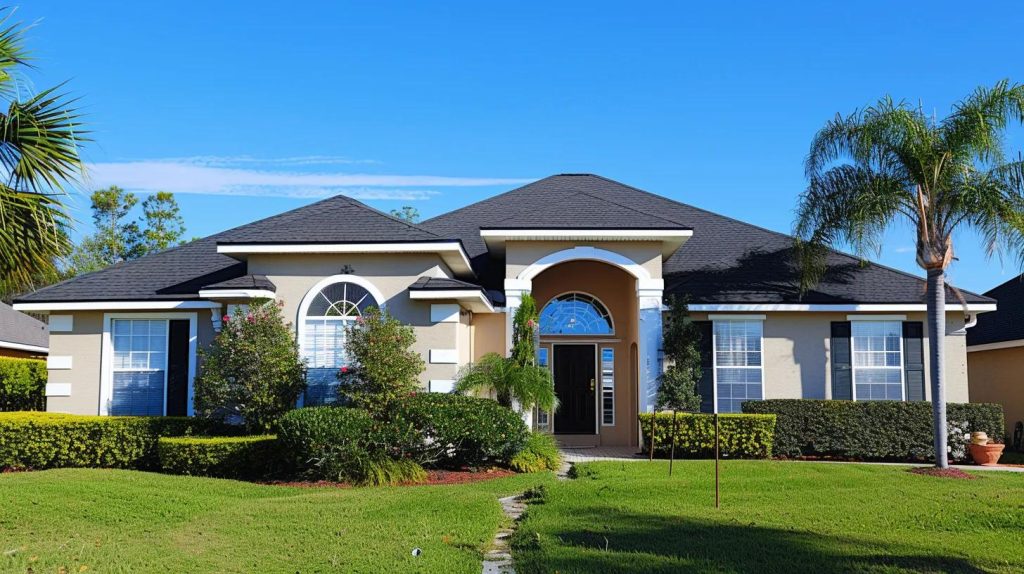
Green roofing is gaining traction as homeowners and businesses look for practical ways to lower energy costs and support the environment. These systems boost a building’s curb appeal while improving insulation, managing stormwater, and supporting urban biodiversity. Below, we walk through eco-friendly roofing materials, the main types of green roofs, the benefits of living roofs, and the cost factors you’ll want to consider so you can choose the right option for your property.
Key Takeaways
- Green roofing improves energy efficiency by adding insulation and reducing heating and cooling demands.
- Eco-friendly roofing materials include metal, recycled shingles, and cool roofs that lower environmental impact.
- Extensive green roofs require low maintenance with drought-tolerant plants, while intensive roofs support diverse vegetation.
- Living roofs enhance biodiversity, manage stormwater, and mitigate urban heat island effects.
- Installation costs vary based on material choice, structural complexity, and local labor rates.
- Green roofs contribute to air quality improvement by filtering pollutants and producing oxygen.
- Maintenance for green roofs depends on type, with intensive roofs needing more regular care than extensive ones.
- Many municipalities offer incentives and rebates to encourage green roof installations and sustainable building practices.
- Structural capacity and local building codes are critical considerations for installing green roofs on existing buildings.
Eco-Friendly Roofing Materials:
Eco-friendly roofing materials reduce environmental impact without sacrificing durability. They often use recycled or sustainably sourced components and can improve a roof’s energy performance. Common choices include:
- Metal Roofing: Often made with recycled content, metal roofs are long‑lasting and reflect solar heat, which can cut cooling costs.
- Recycled Shingles: Manufactured from post‑consumer waste like rubber or plastic, these shingles are a sustainable alternative to traditional asphalt.
- Cool Roofs: Engineered to reflect more sunlight and absorb less heat, cool roofs help lower indoor temperatures and reduce energy use.
Choosing eco-conscious materials is a practical way to shrink your carbon footprint while installing a durable, efficient roof. Financing options are often available to help manage upfront costs.
Types of Green Roofs:
Green roofs vary by depth and plant selection. The two primary categories are extensive and intensive green roofs:
- Extensive Green Roofs: Shallow growing medium planted with drought‑tolerant species. They’re lightweight, low‑maintenance, and ideal when structural capacity is limited.
- Intensive Green Roofs: Deeper soil that supports a wider plant palette, including perennials and small shrubs. These require more upkeep but offer greater biodiversity and visual impact.
Knowing these differences helps you match the green roof type to your building’s goals and maintenance capacity.
Research into drought‑tolerant species is especially important for extensive systems, where water and soil depth are limited.
Drought‑Resistant Plants for Sustainable Green Roofs
Roof greening is an important national policy for maintaining hydrological balance in parts of China, but drought stress limits plant growth. This study tested ten common species to identify strong drought‑resistant candidates for roof greening: Paeonia lactiflora, Hemerocallis dumortieri, Meehania urticifolia, Iris lactea var. chinensis, Hylotelephium erythrostictum, Sedum lineare, Iris germanica, Cosmos bipinnatus, Hosta plantaginea, and Dianthus barbatus.
Drought resistance of ten ground cover seedling species during roof greening, 2020
Benefits of Living Roofs:
Living roofs—also called green roofs—deliver environmental and building‑level benefits. Key advantages include:
- Energy Efficiency Improvements: Green roofs add insulation and thermal mass, lowering heating and cooling needs.
- Biodiversity Enhancement: They create habitat for plants, insects, and birds, enriching urban ecosystems.
- Stormwater Management: Vegetation and growing medium retain rainfall, reducing runoff and easing pressure on drainage systems.
Ongoing innovations in green roof design and materials continue to improve stormwater retention and overall performance.
Green Roof Innovations for Stormwater Management
New materials and design approaches tested in recent studies show promise for meeting stormwater management targets and improving the sustainability of built environments.
Improving stormwater retention on green roofs, 2022
Over The Top Roofing installs living roofs and provides the planning and maintenance guidance needed to ensure long‑term performance. Learn more about their roofing installation services and portfolio of completed projects. Financing options are available to support your investment in sustainable roofing.
Energy Efficiency Improvements:
Green roofs act as natural insulation. The plant layer and growing medium add thermal mass that helps stabilize indoor temperatures, reducing heating demand in winter and cooling needs in summer. That insulation effect also helps counter the urban heat island by keeping roof surfaces cooler on hot days.
Multiple studies highlight green roofs’ role in reducing surface temperatures and improving energy performance in urban areas.
Green Roofs for Urban Heat Island Mitigation & Energy Efficiency
From an urban heat island perspective, reducing sensible heat flux at the roof surface is important. Observations of radiation, water content, and reflective properties show differences between green roofs and high‑reflection roofs.
Surface heat budget on green roof and high reflection roof for mitigation of urban heat island, 2007
Environmental Advantages:
Beyond energy savings, green roofs help reduce CO2, produce oxygen, and filter pollutants and dust from the air. Their stormwater retention reduces runoff and protects waterways, helping to limit erosion and localized flooding.
Factors Influencing Installation Costs:
Several variables affect green roof costs. Understanding these will help you budget and plan:
- Material Choice: Premium or specialized materials raise upfront costs but can deliver long‑term savings through durability and performance. Explore options like metal roofing, shingles, EPDM roofing, and PVC roofing for sustainable choices.
- Installation Complexity: Structural reinforcement, drainage layers, and irrigation systems add to labor and material costs.
- Local Labor Costs: Regional labor rates and permitting requirements will influence the final price.
For a detailed assessment of installation costs, Over The Top Roofing offers expert evaluations to help you weigh options and roof repair services if needed. Financing options can make these investments more accessible.
Which Sustainable Roofing Materials Are Most Effective?
Effectiveness depends on durability, lifecycle cost, and environmental impact. Metal roofing is notable for longevity and recyclability. Recycled shingles lower landfill waste, and cool roofs reduce energy use—each option can be the right choice depending on your priorities. Learn more about metal roofing and shingle roofing options.
What Are the Key Types of Eco-Friendly Roof Options?
Common eco-friendly roof options include:
- Green Roofs: Vegetation and soil systems that provide insulation and stormwater benefits.
- Metal Roofing: Durable, recyclable, and reflective—good for longevity and energy savings.
- Recycled Shingles: Made from post‑consumer materials to reduce waste and extend shingle life.
Each approach has tradeoffs; choose based on structural capacity, budget, and environmental goals. Financing options are often available to support your choice.
How Do Recycled and Vegetative Materials Compare?
Recycled roofing materials focus on waste reduction and durability, while vegetative systems add insulation, biodiversity, and stormwater benefits. Both contribute to sustainability, but their value depends on what you want the roof to deliver.
What Are the Benefits of Installing a Living Roof?
Living roofs offer:
- Environmental Advantages: Support for biodiversity and improved air quality.
- Energy Savings: Natural insulation that lowers heating and cooling costs.
- Aesthetic Benefits: Attractive green space that enhances property value.
Those combined benefits make living roofs an appealing choice for eco‑minded property owners.
How Do Green Roofs Improve Energy Efficiency?
By adding an insulated vegetation layer, green roofs reduce heat gain in summer and heat loss in winter. That translates to lower energy use and smaller utility bills over time.
What Environmental Advantages Do Green Roofs Provide?
Green roofs contribute to:
- Biodiversity Support: Creating habitat in dense urban areas.
- Air Quality Improvement: Filtering airborne pollutants and particulates.
- Stormwater Management: Capturing and slowing rainfall to reduce runoff.
These benefits make green roofs a practical component of sustainable urban planning.
How Is Green Roof Installation Cost Determined?
Cost depends on material selection, labor, structural work, and the complexity of drainage or irrigation systems. Higher‑quality materials and more complex installations increase initial costs but can yield long‑term savings through durability and energy performance.
What Factors Influence the Cost of Green Roofing?
Key cost drivers include:
- Material Choice: Eco‑friendly or specialized materials affect price.
- Installation Complexity: Structural improvements and drainage systems add cost.
- Local Labor Costs: Regional variations in labor and permitting can shift budgets.
For a comprehensive estimate, Over The Top Roofing offers tailored consultations and can assist with contact and support. Financing options are available to help manage project costs.
Are There Incentives or Rebates for Green Roof Installation?
Many municipalities and programs offer incentives—tax credits, grants, or reduced fees—to encourage green roofing and other sustainable building practices. Check local government resources and green building organizations to find available programs.
Considering a new roof? Over The Top Roofing provides a range of options to fit different needs and budgets, with financing options to support your investment.
For professional roofing installation, contact Over The Top Roofing to schedule a consultation and review the best solutions for your property.
Frequently Asked Questions
What maintenance is required for green roofs?
Maintenance depends on the roof type. Extensive green roofs need only occasional checks—minor weeding, a quick look at drainage, and seasonal cleanups. Intensive roofs require regular care like watering, fertilizing, and pruning. Routine inspections help catch drainage issues early and keep the vegetation healthy. Learn more about roof maintenance services.
Can green roofs be installed on existing buildings?
Often, yes. The key consideration is the building’s structural capacity to carry the extra weight of soil, plants, and water. A structural engineer can confirm whether reinforcement is needed. Local codes and permits may also apply, so work with a professional experienced in green roof retrofits. Flat roofing specialists can provide expert advice.
What types of plants are best for green roofs?
Plant choice depends on roof depth and climate. For extensive roofs, drought‑tolerant species like Sedum and other succulents are common because they thrive in shallow media. Intensive roofs allow for a broader mix—perennials, shrubs, and even small trees—if the structure supports the load.
How do green roofs contribute to urban heat island mitigation?
Green roofs reduce surface temperatures through shading and evapotranspiration. The vegetation cools the air and cuts roof heat gain, which lowers nearby ambient temperatures and reduces demand on air conditioning systems—helping to cool cities overall.
Are there specific building codes for green roof installations?
Yes. Many jurisdictions set standards for structural requirements, drainage, and plant selection. Check local building codes before you start a project, and work with contractors who understand regional regulations to ensure compliance.
What are the long-term benefits of investing in a green roof?
Long term, green roofs can reduce energy costs, extend roof life, boost property value, and support urban biodiversity. They also improve stormwater management and air quality, making them a sustainable investment for many property owners.
How can I find financial incentives for green roof projects?
Start by checking your city or county’s sustainability or building department for programs, then look at state incentives and nonprofit grants for green infrastructure. Green building organizations and experienced contractors can also point you toward available rebates and application steps.
Conclusion
Green roofing offers practical environmental and economic benefits—from energy savings and stormwater control to enhanced curb appeal and biodiversity. By weighing materials, roof type, and site needs, you can choose a sustainable solution that fits your budget and goals. Contact Over The Top Roofing today to explore options and get professional guidance on the best green roof for your property. Financing options are available to help you invest in a greener future.Best Green Roofing Options: Sustainable Materials and Energy‑Efficient Solutions
Green roofing is gaining traction as homeowners and businesses look for practical ways to lower energy costs and support the environment. These systems boost a building’s curb appeal while improving insulation, managing stormwater, and supporting urban biodiversity. Below, we walk through eco-friendly roofing materials, the main types of green roofs, the benefits of living roofs, and the cost factors you’ll want to consider so you can choose the right option for your property. Financing options are often available to help manage upfront costs.
Key Takeaways
- Green roofing improves energy efficiency by adding insulation and reducing heating and cooling demands.
- Eco-friendly roofing materials include metal, recycled shingles, and cool roofs that lower environmental impact.
- Extensive green roofs require low maintenance with drought-tolerant plants, while intensive roofs support diverse vegetation.
- Living roofs enhance biodiversity, manage stormwater, and mitigate urban heat island effects.
- Installation costs vary based on material choice, structural complexity, and local labor rates.
- Green roofs contribute to air quality improvement by filtering pollutants and producing oxygen.
- Maintenance for green roofs depends on type, with intensive roofs needing more regular care than extensive ones.
- Many municipalities offer incentives and rebates to encourage green roof installations and sustainable building practices.
- Structural capacity and local building codes are critical considerations for installing green roofs on existing buildings.
Eco-Friendly Roofing Materials:
Eco-friendly roofing materials reduce environmental impact without sacrificing durability. They often use recycled or sustainably sourced components and can improve a roof’s energy performance. Common choices include:
- Metal Roofing: Often made with recycled content, metal roofs are long‑lasting and reflect solar heat, which can cut cooling costs. Financing options are available for metal roofing installations.
- Recycled Shingles: Manufactured from post‑consumer waste like rubber or plastic, these shingles are a sustainable alternative to traditional asphalt. Financing options can help with the cost of recycled shingles.
- Cool Roofs: Engineered to reflect more sunlight and absorb less heat, cool roofs help lower indoor temperatures and reduce energy use. Consider consulting with roofing installation experts for cool roof options and financing plans.
Choosing eco-conscious materials is a practical way to shrink your carbon footprint while installing a durable, efficient roof. Financing options are often available to help manage upfront costs.
Types of Green Roofs:
Green roofs vary by depth and plant selection. The two primary categories are extensive and intensive green roofs:
- Extensive Green Roofs: Shallow growing medium planted with drought‑tolerant species. They’re lightweight, low‑maintenance, and ideal when structural capacity is limited.
- Intensive Green Roofs: Deeper soil that supports a wider plant palette, including perennials and small shrubs. These require more upkeep but offer greater biodiversity and visual impact.
Knowing these differences helps you match the green roof type to your building’s goals and maintenance capacity. Financing options are available to support installation and maintenance costs.
Research into drought‑tolerant species is especially important for extensive systems, where water and soil depth are limited.
Drought‑Resistant Plants for Sustainable Green Roofs
Roof greening is an important national policy for maintaining hydrological balance in parts of China, but drought stress limits plant growth. This study tested ten common species to identify strong drought‑resistant candidates for roof greening: Paeonia lactiflora, Hemerocallis dumortieri, Meehania urticifolia, Iris lactea var. chinensis, Hylotelephium erythrostictum, Sedum lineare, Iris germanica, Cosmos bipinnatus, Hosta plantaginea, and Dianthus barbatus.
Drought resistance of ten ground cover seedling species during roof greening, 2020
Benefits of Living Roofs:
Living roofs—also called green roofs—deliver environmental and building‑level benefits. Key advantages include:
- Energy Efficiency Improvements: Green roofs add insulation and thermal mass, lowering heating and cooling needs.
- Biodiversity Enhancement: They create habitat for plants, insects, and birds, enriching urban ecosystems.
- Stormwater Management: Vegetation and growing medium retain rainfall, reducing runoff and easing pressure on drainage systems.
Ongoing innovations in green roof design and materials continue to improve stormwater retention and overall performance. Financing options are available to support these innovations.
Green Roof Innovations for Stormwater Management
New materials and design approaches tested in recent studies show promise for meeting stormwater management targets and improving the sustainability of built environments.
Improving stormwater retention on green roofs, 2022
Over The Top Roofing installs living roofs and provides the planning and maintenance guidance needed to ensure long‑term performance. Learn more about their roofing installation services and portfolio of completed projects. Financing options are available to support your investment in sustainable roofing.
Energy Efficiency Improvements:
Green roofs act as natural insulation. The plant layer and growing medium add thermal mass that helps stabilize indoor temperatures, reducing heating demand in winter and cooling needs in summer. That insulation effect also helps counter the urban heat island by keeping roof surfaces cooler on hot days.
Multiple studies highlight green roofs’ role in reducing surface temperatures and improving energy performance in urban areas.
Green Roofs for Urban Heat Island Mitigation & Energy Efficiency
From an urban heat island perspective, reducing sensible heat flux at the roof surface is important. Observations of radiation, water content, and reflective properties show differences between green roofs and high‑reflection roofs.
Surface heat budget on green roof and high reflection roof for mitigation of urban heat island, 2007
Environmental Advantages:
Beyond energy savings, green roofs help reduce CO2, produce oxygen, and filter pollutants and dust from the air. Their stormwater retention reduces runoff and protects waterways, helping to limit erosion and localized flooding.
Factors Influencing Installation Costs:
Several variables affect green roof costs. Understanding these will help you budget and plan:
- Material Choice: Premium or specialized materials raise upfront costs but can deliver long‑term savings through durability and performance. Explore options like metal roofing, shingles, EPDM roofing, and PVC roofing for sustainable choices. Financing options are available for these materials.
- Installation Complexity: Structural reinforcement, drainage layers, and irrigation systems add to labor and material costs.
- Local Labor Costs: Regional labor rates and permitting requirements will influence the final price.
For a detailed assessment of installation costs, Over The Top Roofing offers expert evaluations to help you weigh options and roof repair services if needed. Financing options can make these investments more accessible.
Which Sustainable Roofing Materials Are Most Effective?
Effectiveness depends on durability, lifecycle cost, and environmental impact. Metal roofing is notable for longevity and recyclability. Recycled shingles lower landfill waste, and cool roofs reduce energy use—each option can be the right choice depending on your priorities. Learn more about metal roofing and shingle roofing options. Financing options are available for these roofing materials.
What Are the Key Types of Eco-Friendly Roof Options?
Common eco-friendly roof options include:
- Green Roofs: Vegetation and soil systems that provide insulation and stormwater benefits.
- Metal Roofing: Durable, recyclable, and reflective—good for longevity and energy savings. Financing options are available.
- Recycled Shingles: Made from post‑consumer materials to reduce waste and extend shingle life. Financing options can help with costs.
Each approach has tradeoffs; choose based on structural capacity, budget, and environmental goals. Financing options are often available to support your choice.
How Do Recycled and Vegetative Materials Compare?
Recycled roofing materials focus on waste reduction and durability, while vegetative systems add insulation, biodiversity, and stormwater benefits. Both contribute to sustainability, but their value depends on what you want the roof to deliver. Financing options are available for both types of roofing systems.
What Are the Benefits of Installing a Living Roof?
Living roofs offer:
- Environmental Advantages: Support for biodiversity and improved air quality.
- Energy Savings: Natural insulation that lowers heating and cooling costs.
- Aesthetic Benefits: Attractive green space that enhances property value.
Those combined benefits make living roofs an appealing choice for eco‑minded property owners. Financing options can help make this investment more accessible.
How Do Green Roofs Improve Energy Efficiency?
By adding an insulated vegetation layer, green roofs reduce heat gain in summer and heat loss in winter. That translates to lower energy use and smaller utility bills over time. Financing options are available to support green roof installations.
What Environmental Advantages Do Green Roofs Provide?
Green roofs contribute to:
- Biodiversity Support: Creating habitat in dense urban areas.
- Air Quality Improvement: Filtering airborne pollutants and particulates.
- Stormwater Management: Capturing and slowing rainfall to reduce runoff.
These benefits make green roofs a practical component of sustainable urban planning.
How Is Green Roof Installation Cost Determined?
Cost depends on material selection, labor, structural work, and the complexity of drainage or irrigation systems. Higher‑quality materials and more complex installations increase initial costs but can yield long‑term savings through durability and energy performance. Financing options are available to help manage these costs.
What Factors Influence the Cost of Green Roofing?
Key cost drivers include:
- Material Choice: Eco‑friendly or specialized materials affect price.
- Installation Complexity: Structural improvements and drainage systems add cost.
- Local Labor Costs: Regional variations in labor and permitting can shift budgets.
For a comprehensive estimate, Over The Top Roofing offers tailored consultations and can assist with contact and support. Financing options are available to help manage project costs.
Are There Incentives or Rebates for Green Roof Installation?
Many municipalities and programs offer incentives—tax credits, grants, or reduced fees—to encourage green roofing and other sustainable building practices. Check local government resources and green building organizations to find available programs.
Considering a new roof? Over The Top Roofing provides a range of options to fit different needs and budgets, with financing options to support your investment.
For professional roofing installation, contact Over The Top Roofing to schedule a consultation and review the best solutions for your property. Financing options are available to help you invest in sustainable roofing.
Frequently Asked Questions
What maintenance is required for green roofs?
Maintenance depends on the roof type. Extensive green roofs need only occasional checks—minor weeding, a quick look at drainage, and seasonal cleanups. Intensive roofs require regular care like watering, fertilizing, and pruning. Routine inspections help catch drainage issues early and keep the vegetation healthy. Learn more about roof maintenance services. Financing options are available to support ongoing maintenance.
Can green roofs be installed on existing buildings?
Often, yes. The key consideration is the building’s structural capacity to carry the extra weight of soil, plants, and water. A structural engineer can confirm whether reinforcement is needed. Local codes and permits may also apply, so work with a professional experienced in green roof retrofits. Flat roofing specialists can provide expert advice. Financing options can help with retrofit costs.
What types of plants are best for green roofs?
Plant choice depends on roof depth and climate. For extensive roofs, drought‑tolerant species like Sedum and other succulents are common because they thrive in shallow media. Intensive roofs allow for a broader mix—perennials, shrubs, and even small trees—if the structure supports the load.
How do green roofs contribute to urban heat island mitigation?
Green roofs reduce surface temperatures through shading and evapotranspiration. The vegetation cools the air and cuts roof heat gain, which lowers nearby ambient temperatures and reduces demand on air conditioning systems—helping to cool cities overall.
Are there specific building codes for green roof installations?
Yes. Many jurisdictions set standards for structural requirements, drainage, and plant selection. Check local building codes before you start a project, and work with contractors who understand regional regulations to ensure compliance.
What are the long-term benefits of investing in a green roof?
Long term, green roofs can reduce energy costs, extend roof life, boost property value, and support urban biodiversity. They also improve stormwater management and air quality, making them a sustainable investment for many property owners.
How can I find financial incentives for green roof projects?
Start by checking your city or county’s sustainability or building department for programs, then look at state incentives and nonprofit grants for green infrastructure. Green building organizations and experienced contractors can also point you toward available rebates and application steps.
Conclusion
Green roofing offers practical environmental and economic benefits—from energy savings and stormwater control to enhanced curb appeal and biodiversity. By weighing materials, roof type, and site needs, you can choose a sustainable solution that fits your budget and goals. Contact Over The Top Roofing today to explore options and get professional guidance on the best green roof for your property. Financing options are available to help you invest in a greener future.Best Green Roofing Options: Sustainable Materials and Energy‑Efficient Solutions
