
Comprehensive Seasonal Roof Maintenance Tips: What You Need to Know About Summer vs Winter Roof Care
Maintaining your roof is crucial for the longevity and safety of your home, especially as seasons change. Seasonal roof maintenance involves specific tasks tailored to the unique challenges posed by summer and winter weather conditions. Homeowners can learn how to protect their roofs effectively, ensuring they remain in optimal condition year-round. This article will delve into essential practices for summer and winter roof care, common issues that arise during these seasons, and preventative measures to mitigate potential damage. By understanding these aspects, you can make informed decisions about your roof maintenance and when to seek professional help. Financing options are available to assist with all your roofing needs.
Key Takeaways
- Seasonal roof maintenance is essential to prolong roof lifespan and protect homes from weather-related damage.
- Summer roof care focuses on inspecting winter damage, cleaning gutters, trimming trees, and applying UV protection.
- Winter roof care requires pre-winter inspections, preventing ice dams with proper insulation, and prompt leak repairs.
- Regular roof inspections, at least twice a year, help identify issues early and prevent costly repairs.
- Maintaining clear gutters and proper attic ventilation is crucial for effective seasonal roof protection.
- Common roof issues include heat damage and leaks in summer, and ice dams and snow stress in winter.
- Professional roof inspections and repairs are recommended for complex issues beyond basic homeowner maintenance.
- Signs of roof replacement include extensive shingle damage, persistent leaks, and aging beyond typical lifespan.
- Understanding seasonal weather impacts helps homeowners implement targeted roof care strategies year-round.
Comprehensive Seasonal Roof Maintenance Tips:
Seasonal roof maintenance is vital for preserving the integrity of your home. Regular inspections and maintenance can prevent costly repairs and extend the lifespan of your roof. Homeowners should prioritize understanding the specific needs of their roofs during different seasons. This includes recognizing the importance of timely inspections, addressing minor issues before they escalate, and implementing best practices for care. By following these guidelines, you can ensure your roof withstands the elements and remains a protective barrier for your home. For professional assistance, consider professional roof inspection services with financing options available.
Further emphasizing the importance of a structured approach, research highlights the benefits of a comprehensive maintenance plan for pitched roofs.
Pitched Roof Maintenance Planning & Inspection
a maintenance plan for pitched roofs in current buildings. The maintenance plan established in this study for pitched roofs comprise various steps: (1) identify the different elements of the pitched roofs (e.g., roof covering, structure, drainage system, etc.); (2) define the inspection procedures and periodicity; (3) define the maintenance actions and periodicity; and (4) define the resources needed for the maintenance actions.
Maintenance planning of pitched roofs in current buildings, I Flores-Colen, 2017
Summer Roof Care:
Summer presents unique challenges for roof maintenance, primarily due to heat and increased UV exposure. Homeowners should focus on several key tasks to ensure their roofs remain in good condition during this season.
- Inspect for Winter/Spring Damage: Check for any damage that may have occurred during the colder months, such as missing shingles or leaks. For shingle roofing materials, visit Shingle Roofing Services for expert care and repair options with financing available.
- Clean Gutters and Downspouts: Ensure that gutters are free of debris to prevent water pooling and potential leaks.
- Trim Overhanging Trees: Keep branches away from the roof to reduce the risk of damage from falling limbs and to prevent leaves from clogging gutters.
Over The Top Roofing offers professional roof inspection services to help identify and address any issues that may have arisen from previous seasons. Regular maintenance can save homeowners from more significant problems down the line. Financing options are available to make maintenance affordable.
How Should You Prepare Your Roof for Summer Protection?
Preparing your roof for summer involves several proactive steps. Homeowners should:
- Inspect for any signs of damage from winter or spring.
- Clean gutters thoroughly to ensure proper drainage.
- Trim any overhanging branches that could cause damage during storms.
These steps help maintain the roof‘s integrity and prevent issues related to heat and moisture buildup. For flat roofing systems, consider consulting Flat Roofing Specialists for tailored maintenance and repair solutions with financing options.
What Are Effective Summer Roof Protection Methods?
To protect your roof during the summer months, consider the following methods:
- Regular Inspections: Schedule inspections to catch any potential issues early.
- UV Protection: Apply protective coatings to reflect UV rays and reduce heat absorption.
- Ventilation: Ensure proper attic ventilation to prevent heat buildup, which can damage roofing materials.
Implementing these strategies can significantly enhance your roof‘s durability against summer conditions. For metal roofing materials, explore Metal Roofing Services for specialized coatings and maintenance with financing available.
Studies on roof performance further illustrate how specific measures, like cool roofs, can significantly impact temperature regulation during different seasons.
Cool Roof Performance: Summer vs. Winter
reducing maximum temperatures during summertime. In contrast to the summer, we find that cool roofs have a minimal effect on ambient air temperatures in winter.
Comparing temperature-related mortality impacts of cool roofs in winter and summer in a highly urbanized European region for present and future climate, HL Macintyre, 2021
Winter Roof Care:
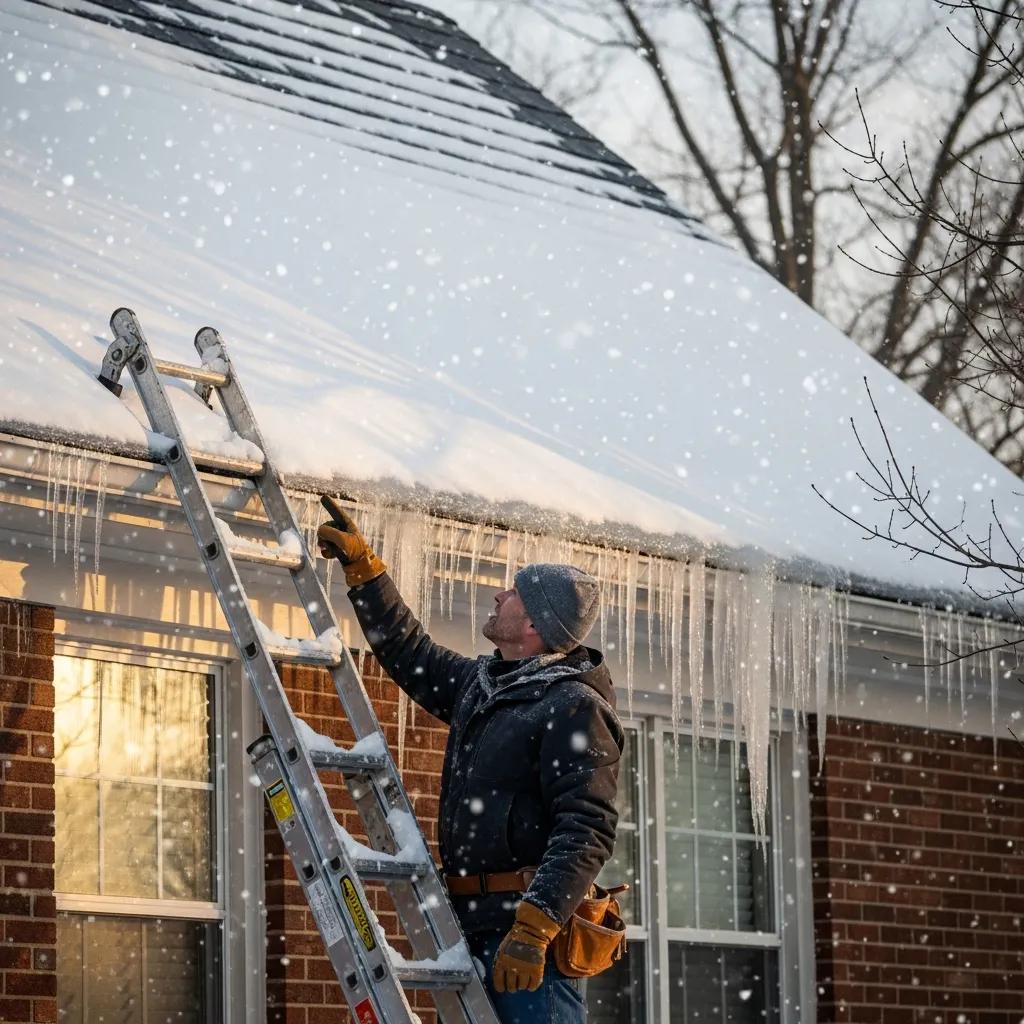
Winter brings its own set of challenges, including snow accumulation and ice dams. Proper winter roof care is essential to prevent damage and ensure safety.
- Pre-Winter Inspection: Conduct a thorough inspection before the first snowfall to identify and repair any vulnerabilities. For professional winter preparation, visit Over The Top Roofing Installation services with financing options.
- Prevent Ice Dams: Ensure proper insulation and ventilation to prevent ice dams from forming, which can lead to leaks.
- Address Leaks Promptly: If leaks are detected, address them immediately to prevent further damage. For expert repairs, see Roof Repair Services with financing available.
Over The Top Roofingspecializes in roofrepair services, ensuring that your roof is ready to withstand the harsh winter conditions.
What Are Essential Winter Roof Care Strategies?
Essential strategies for winter roof care include:
- Regular Inspections: Check for signs of wear and tear, especially after heavy snowfall.
- Gutter Maintenance: Keep gutters clear to allow for proper drainage and prevent ice buildup.
- Insulation and Ventilation: Ensure your attic is well-insulated to prevent heat loss, which can contribute to ice dam formation.
These strategies are crucial for maintaining the integrity of your roof during the winter months. For PVC roofing materials, consult PVC Roofing Specialists for winter-proofing solutions with financing options.
How to Prevent Common Winter Roof Problems Like Ice Dams?
Preventing ice dams requires a combination of proper insulation and regular maintenance. Homeowners should:
- Ensure adequate attic insulation to keep heat from escaping.
- Regularly clear snow from the roof to prevent buildup.
- Maintain gutters to ensure proper drainage.
By following these steps, you can significantly reduce the risk of ice dams and the damage they can cause.
Academic research provides a deeper understanding of the thermal dynamics involved in preventing ice dam formation on pitched roofs.
Preventing Winter Ice Dams on Pitched Roofs
The article presents the methodology of thermal balance equation generation for cold attics. This methodology is aimed to provide the scientific basis for engineer activities to prevent the ice hillock building-up on roofs during the periods of the lowest temperature of outside air. The complex of actions that leads to reduction of damages from buildings of thermal energy is listed, heating up to improvement of parameters of a microclimate in the operated rooms of the top floors of buildings.
Calculation method of justification of technical actions for prevention of ice dams formation on buildings with a pitched roof, N Vatin, 2015
Essential Practices:
Implementing best practices for roof maintenance can help homeowners avoid costly repairs. Key practices include:
- Regular Inspections: Schedule inspections at least twice a year to catch issues early.
- Debris Removal: Keep the roof clear of leaves, branches, and other debris that can trap moisture.
- Monitor for Common Issues: Be vigilant for signs of leaks, mold, or other damage.
These practices are essential for maintaining a healthy roof and prolonging its lifespan. For EPDM roofing systems, visit EPDM Roofing Services for maintenance and repair options with financing available.
Common Issues:
Understanding common roof issues can help homeowners take preventative measures. Some typical problems include:
- Summer Issues: Heat damage, leaks from heavy rains, and wear from UV exposure.
- Winter Issues: Ice dams, leaks from melting snow, and structural stress from snow accumulation.
- Importance of Addressing Issues Promptly: Timely repairs can prevent more extensive damage and costly repairs.
How Can You Conduct a Seasonal Roof Inspection Checklist?
A seasonal roof inspection checklist should include:
- Inspect Shingles and Flashing: Look for missing or damaged shingles and check flashing for leaks.
- Check for Leaks: Inspect the interior for signs of water damage.
- Trim Overhanging Trees: Ensure branches are not touching the roof.
This checklist can help ensure that your roof remains in good condition throughout the year. For detailed guidance, visit Roof Maintenance Tips with financing options.
What Signs Indicate Roof Damage From Summer or Winter Weather?
Signs of roof damage can vary by season. Common indicators include:
- Winter Damage Signs: Ice dams, leaks, and sagging areas.
- Summer Damage Signs: Cracked shingles, discoloration, and leaks.
- Importance of Regular Inspections: Regular checks can help catch these issues early.
When Should You Schedule Professional Roof Repair or Replacement?
Scheduling professional roof repair or replacement is crucial when:
- Best Time for Repairs: Early spring or fall is ideal for repairs before extreme weather.
- Indicators for Repair Needs: Look for signs of leaks, missing shingles, or significant wear.
- Seasonal Considerations: Consider the weather when planning repairs to ensure safety and effectiveness.
For immediate assistance or to schedule an inspection, contact us at Over The Top Roofing is here to assist with all your roof repair and replacement needs, ensuring your home remains protected throughout the year. Financing options are available to help manage costs effectively.
Frequently Asked Questions
What are the benefits of a comprehensive roof maintenance plan?
A comprehensive roof maintenance plan offers numerous benefits, including extending the lifespan of your roof, preventing costly repairs, and enhancing energy efficiency. By regularly inspecting and maintaining your roof, you can identify minor issues before they escalate into major problems. This proactive approach not only protects your home from weather-related damage but also ensures that your roof remains a reliable barrier against the elements. Additionally, a well-maintained roof can improve your home’s overall value and curb appeal. Learn more about roof maintenance plans with financing options.
How often should I inspect my roof?
It is recommended to inspect your roof at least twice a year, ideally in the spring and fall. These inspections allow you to catch any potential issues early, such as missing shingles, leaks, or signs of wear. Additionally, after severe weather events, such as heavy storms or snowfall, it’s wise to conduct an inspection to assess any damage. Regular inspections help maintain the integrity of your roof and can save you from costly repairs down the line.
What should I do if I find a leak in my roof?
If you discover a leak in your roof, it’s crucial to address it immediately to prevent further damage. Start by locating the source of the leak, which may involve checking the attic or interior ceilings for water stains. Once identified, cover the area with a tarp to prevent water intrusion until a professional can assess and repair the damage. Contact a roofing specialist to evaluate the situation and perform necessary repairs to ensure your roof remains watertight. Visit roof repair services with financing options available.
Can I perform roof maintenance myself, or should I hire a professional?
While some basic roof maintenance tasks, such as cleaning gutters or trimming overhanging branches, can be performed by homeowners, it’s advisable to hire a professional for more complex inspections and repairs. Professionals have the expertise and equipment to safely assess and address issues that may not be visible to the untrained eye. Additionally, they can provide a thorough inspection and ensure that repairs are done correctly, ultimately protecting your investment in your home. For professional services, see roofing installation and maintenance with financing options.
What are the signs that my roof needs to be replaced?
Several signs indicate that your roof may need to be replaced, including extensive shingle damage, persistent leaks, and significant wear and tear. If you notice sagging areas, missing shingles, or granules in your gutters, these are also red flags. Additionally, if your roof is nearing the end of its expected lifespan—typically 20-30 years for asphalt shingles—it may be time to consider a replacement. Consulting with a roofing professional can provide clarity on the best course of action. Explore new roof installation options with financing available.
How does weather affect roof maintenance needs?
Weather plays a significant role in determining your roof maintenance needs. In summer, high temperatures and UV exposure can cause materials to deteriorate, necessitating regular inspections and protective measures. Conversely, winter weather can lead to ice dams and snow accumulation, which require specific maintenance strategies to prevent leaks and structural damage. Understanding how seasonal changes impact your roof can help you implement appropriate care and maintenance practices throughout the year.
Conclusion
Effective seasonal roof maintenance is essential for protecting your home from the elements and extending the lifespan of your roof. By understanding the unique challenges posed by summer and winter, homeowners can implement proactive measures that prevent costly repairs and ensure safety. Regular inspections and timely interventions are key to maintaining a healthy roof throughout the year. For expert assistance and to explore our comprehensive roofing services portfolio, contact us today. Financing options are available to support your roofing projects.
