
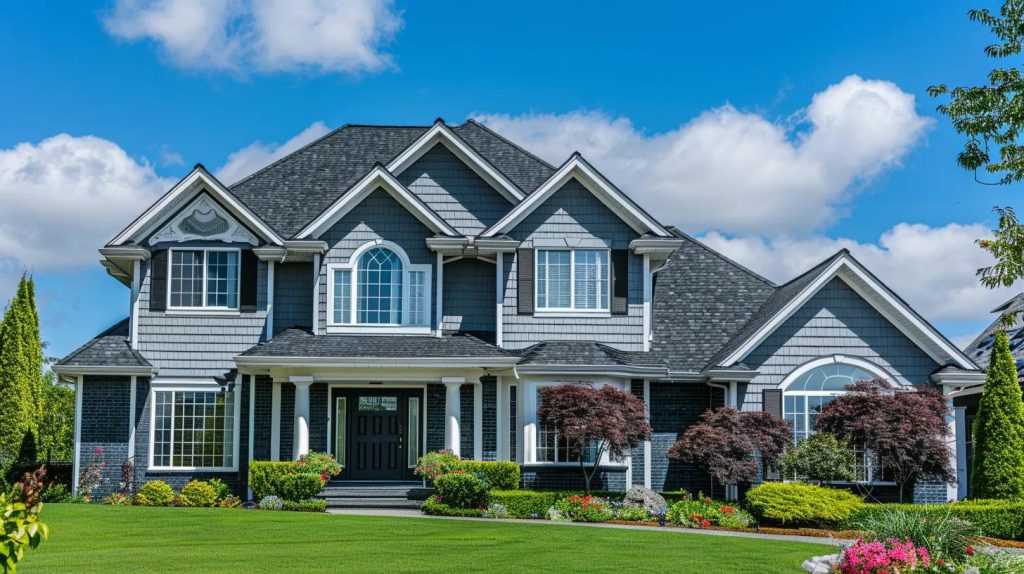
Roof Maintenance vs. Replacement: How to Decide the Best Solution for Your Property
Deciding between roof maintenance and replacement is a critical choice for homeowners, as it directly impacts the safety and value of your property. Understanding the signs that indicate whether to maintain or replace your roof can save you time and money. This article will guide you through the key factors to consider, helping you make an informed decision about your roofing needs. We will explore the signs that necessitate maintenance or replacement, the cost implications of each option, and the long-term benefits of regular roof maintenance. Additionally, we will discuss how Over The Top Roofing can assist you in this decision-making process, including financing options to help manage costs.
Key Takeaways
- Visible sagging, damaged shingles, and water stains are key signs indicating roof maintenance or replacement needs.
- Roofs over 20 years old or with extensive damage often justify replacement over costly repairs.
- Regular roof maintenance includes inspections, prompt minor repairs, and professional consultations to extend roof lifespan.
- A professional roof inspection covers shingles, flashing, gutters, attic ventilation, structure, leaks, and debris removal.
- Scheduling roof maintenance twice a year helps prevent major damage and costly repairs.
- Roof maintenance costs are lower and extend roof life, while replacement costs range from $6,000 to $12,000 with longer lifespan.
- Roof replacement improves property value, energy efficiency, and overall home durability with new materials.
- Choosing the right roofing contractor involves verifying credentials, reading reviews, and comparing detailed quotes.
- Understanding roofing materials and local weather impacts aids informed decisions on maintenance and replacement timing.
- Financing options are available to help manage the investment in roof maintenance or replacement.
What Are the Key Signs You Need Roof Maintenance or Replacement?
Identifying the signs that indicate whether to maintain or replace your roof is essential for preserving your home’s integrity. Common indicators include visible sagging, missing or damaged shingles, and water stains on ceilings or walls. These signs often suggest underlying issues that require immediate attention to prevent further damage. For repairs, consider professional roof repair services, and for replacement, explore options at new roof installation.
- Visible Sagging: A sagging roof can indicate structural issues that may require replacement.
- Missing or Damaged Shingles: Shingles that are cracked, curled, or missing can compromise your roof‘s ability to protect your home. For shingle-specific concerns, visit shingle roofing services.
- Water Stains on Ceilings or Walls: These stains often signal leaks that can lead to significant interior damage if not addressed promptly.
- Granules from Shingles Accumulating in Gutters: This can indicate that your shingles are deteriorating and may need replacement.
- Increased Energy Bills: A sudden rise in energy costs can suggest that your roof is not providing adequate insulation.
- Age of the Roof: If your roof is over 20 years old, it may be nearing the end of its lifespan and could require replacement.
When Does Roof Repair Cost Justify Replacement?
Evaluating when it is more cost-effective to replace rather than repair a roof is crucial for homeowners. Several factors come into play, including the age of the roof, the extent of damage, and the cost of repairs versus replacement. Financing options can make replacement more accessible; inquire about these when consulting with your contractor.
- Age of the Roof: If the roof is over 20 years old, it may be nearing the end of its lifespan, making replacement a more viable option.
- Extent of Damage: Multiple leaks or widespread damage often indicate that repairs may not be sufficient to restore the roof‘s integrity.
- Cost of Repairs vs. Replacement: Repair costs typically range from $300 to $1,500+, but frequent repairs can add up over time, making replacement a more economical choice in the long run.
How to Effectively Maintain Your Roof: Tips and Inspection Checklist
Regular roof maintenance is essential for prolonging the life of your roof and preventing costly repairs. Here are some effective tips and a checklist to help you maintain your roof. For professional maintenance services, visit roof maintenance.
- Schedule Regular Inspections: Regular inspections can help identify potential issues before they escalate.
- Address Minor Issues Promptly: Fixing small problems early can prevent them from becoming major repairs.
- Consult a Professional: Engaging a roofing professional can provide insights into the condition of your roof and necessary maintenance.
What Does a Professional Roof Inspection Checklist Include?
A professional roof inspection checklist typically includes several key components to ensure a thorough evaluation of your roof‘s condition.
- Shingle and Surface Analysis: Inspecting for cracks, curling, or missing shingles.
- Flashing and Seal Review: Checking the integrity of flashing around chimneys and vents.
- Gutter System Evaluation: Ensuring gutters are clear and functioning properly.
- Attic and Insulation Check: Assessing for proper ventilation and insulation.
- Roof Structure Assessment: Evaluating the overall structural integrity of the roof.
- Leak Detection: Identifying any signs of leaks or water damage.
- Debris Removal: Clearing debris that can cause damage or block drainage.
- Moss or Algae Growth Check: Inspecting for growth that can damage roofing materials.
How Often Should You Schedule Roof Maintenance?
Scheduling regular roof maintenance is vital for ensuring the longevity of your roof. It is generally recommended to have your roof inspected at least twice a year, especially after severe weather events. Factors influencing maintenance needs include the roof‘s age, material, and local climate conditions. Neglecting roof maintenance can lead to significant consequences, including costly repairs and reduced property value.
Comparing Roof Maintenance and Replacement: Costs, Benefits, and Lifespan
Analyzing the costs, benefits, and expected lifespans of maintenance versus replacement is essential for making an informed decision. Regular maintenance typically incurs lower costs compared to full replacement, which can range from $6,000 to $12,000 for a typical 2,000-square-foot home. New roofs generally last between 20 to 50 years, depending on the material used. Financing options are often available to help manage these investments.
| Approach | Cost | Lifespan | Benefits |
|---|---|---|---|
| Roof Maintenance | Lower (varies) | 1-5 years (with regular upkeep) | Extends roof life, prevents major repairs |
| Roof Replacement | $6,000 – $12,000 | 20-50 years | New materials, improved energy efficiency |
This comparison highlights the importance of regular maintenance in extending the life of your roof while also considering the significant investment required for replacement.
What Are the Long-Term Benefits of Regular Roof Maintenance?
Regular roof maintenance offers several long-term advantages that can enhance the overall value and durability of your property. Consistent maintenance can prolong the life of your roof, allowing you to avoid costly repairs down the line. Early detection of issues through regular maintenance can prevent significant damage, ultimately saving you money and preserving your home’s value.
How Does Roof Replacement Improve Property Value and Durability?
A new roof can significantly increase a home’s market value and curb appeal. Improved energy efficiency is another benefit, as modern roofing materials often provide better insulation and reduce energy costs. Additionally, a well-maintained roof enhances the overall value of a home, making it more attractive to potential buyers.
How Over The Top Roofing Supports Your Decision: Consultation and Service Process
Over The Top Roofing is dedicated to assisting homeowners in making informed decisions regarding their roofing needs. They offer a no-obligation free consultation, during which a thorough evaluation of the existing roof is conducted. This process includes an in-depth assessment of the roof‘s condition, helping homeowners weigh the costs of repairs versus the investment in a new roof. Financing options are discussed to help you plan your project budget effectively.
What to Expect from Our Professional Roof Inspection Services?
During a professional roof inspection, clients can expect a comprehensive evaluation of their roof‘s condition. A convenient time is scheduled for the inspection, and the inspection team will assess various key areas, including the roof‘s surface, flashing, and drainage systems. Following the inspection, clients receive a detailed report outlining any necessary repairs or maintenance.
How We Help You Choose Between Maintenance and Replacement
Over The Top Roofing helps homeowners navigate the decision-making process by providing clear evaluation criteria and service options. Depending on the assessment, they offer various service options tailored to meet the specific needs of each homeowner. Transparent pricing ensures that clients understand the costs involved, allowing for informed decisions regarding their roofing projects. For specialized roofing types, such as flat roofing, PVC roofing, EPDM roofing, or metal roofing, they provide expert guidance and services.
To schedule a consultation or learn more about roofinginstallation, contact Over The Top Roofing today via their contact page.
Explore their portfolio to see examples of completed projects and gain confidence in their workmanship.
Frequently Asked Questions
What are the common roofing materials, and how do they affect maintenance and replacement decisions?
Common roofing materials include asphalt shingles, metal, tile, and slate. Each material has different lifespans and maintenance needs. For instance, asphalt shingles typically last 20-30 years and require regular inspections, while metal roofs can last 40-70 years with minimal maintenance. Understanding the specific characteristics of your roofing material can help you make informed decisions about whether to maintain or replace your roof, as some materials may be more prone to damage or require more frequent upkeep than others. For detailed information, visit the specific material pages such as shingle roofing or metal roofing.
How can weather conditions impact the lifespan of a roof?
Weather conditions play a significant role in the lifespan of a roof. Extreme temperatures, heavy rainfall, snow, and high winds can accelerate wear and tear. For example, excessive heat can cause shingles to crack, while heavy snow can lead to ice dams that damage the roof structure. Regular maintenance and inspections can help mitigate these effects, but understanding your local climate is crucial for planning maintenance schedules and anticipating potential replacement needs.
What should I do if I notice a leak in my roof?
If you notice a leak in your roof, it’s essential to act quickly to prevent further damage. First, identify the source of the leak, which may involve checking the attic or ceilings for water stains. Next, contact a professional roofing contractor to assess the situation and recommend repairs. Delaying action can lead to more extensive damage, including mold growth and structural issues, so prompt attention is critical to preserving your home’s integrity. For repairs, see roof repair services.
Are there any warranties available for roof maintenance or replacement?
Yes, many roofing materials come with warranties that cover defects and performance. Additionally, professional roofing contractors often provide warranties on their workmanship. These warranties can vary in length and coverage, so it’s important to review the terms carefully. When considering roof maintenance or replacement, inquire about available warranties to ensure you are protected against potential issues that may arise after installation or repair.
How can I choose the right roofing contractor for my project?
Choosing the right roofing contractor involves several steps. Start by researching local contractors and checking their credentials, including licenses and insurance. Read reviews and ask for references to gauge their reputation. Additionally, obtain multiple quotes to compare pricing and services offered. A reputable contractor should provide a detailed estimate and be willing to answer any questions you have about the process, materials, and timeline for your roofing project.
What financing options are available for roof replacement?
Many homeowners explore financing options for roof replacement due to the significant costs involved. Common options include personal loans, home equity loans, and financing plans offered by roofing contractors. Some contractors may partner with financial institutions to provide flexible payment plans. It’s advisable to compare interest rates and terms to find the best option for your budget. Additionally, check if there are any local grants or assistance programs available for home repairs. Over The Top Roofing offers financing options to help make your roofing project more affordable.
Conclusion
Making the right choice between roof maintenance and replacement is crucial for safeguarding your home’s value and integrity. Regular maintenance not only extends the lifespan of your roof but also helps you avoid costly repairs in the future. By understanding the signs and costs associated with each option, you can make an informed decision that best suits your needs. Contact Over The Top Roofing today to schedule your free consultation and ensure your roof remains in optimal condition.
