
Is Your Roof Trying to Tell You Something? How to Spot Repair Signs, and When to Act
Your roof protects your home day in and day out, but small problems can grow fast if they go unnoticed. This guide helps you recognize the most common signals that your roof may need repair or replacement, so you can act before minor issues become expensive emergencies. Learn when to call a pro, how to spot damage during a quick inspection, and why hiring a trusted “roofing contractor” like Over The Top Roofing keeps your home safe and dry.
When to Take Action
Knowing when to act preserves your roof’s lifespan and saves money. Schedule an inspection after severe storms, high winds, or heavy rain — these events can hide damage you won’t notice from the ground. Aim for at least one annual checkup, and call for help right away if you see obvious issues like missing shingles or active leaks by contacting a professional.
At Over The Top Roofing, we stress quick, practical inspections and repairs. Our team evaluates your roof, explains the findings, and recommends the best next steps to keep your home protected. For installation needs, explore our roofing installation services.
Common Signs Your Roof Needs Repair
Catching roof problems early prevents bigger headaches. Watch for these common warning signs:
- Water Stains or Leaks: Water marks on ceilings or walls usually mean a leak that needs prompt roof repair.
- Visible Roof Damage: Missing, cracked, or curled shingles — or granules collecting in gutters — are signs of wear.
- Rising Energy Bills: If heating or cooling costs climb suddenly, your roof may be letting conditioned air escape or allowing heat in.
Visual Indicators
Many problems show up visually first. Check for these clear indicators:
- Missing or Damaged Shingles: Cracked, lifted, or absent shingles leave your roof exposed to water.
- Granules in Gutters: A lot of shingle granules in the gutters often means the roof is aging and losing protection.
- Moss or Algae Growth: A little growth can be normal, but heavy moss or algae traps moisture and accelerates decay.
Structural Issues
Some signs point to more serious structural trouble. Be alert to these:
- Sagging Roof Areas: Any sagging suggests a structural problem that needs immediate attention.
- Sunlight in the Attic: Seeing daylight through roof boards means gaps that should be sealed to stop leaks.
- Soft or Spongy Spots: Soft spots underfoot or sagging decking usually signal water damage or rot and require prompt repair.
Maintenance Tips
Simple maintenance extends your roof’s life. Keep these routine tasks on your to-do list:
- Regular Inspections: Schedule annual checks and after big storms. You can contact Over The Top Roofing for professional inspections.
- Gutter Maintenance: Keep gutters clear so water flows away from your roof and foundation.
- Fix Small Problems Early: Address minor issues quickly — it’s usually cheaper than waiting for major repairs.
How to Recognize Roof Damage Indicators Early
Early detection saves time and money. Do visual checks after bad weather and consider a professional inspection yearly to catch issues you can’t see from the ground. A qualified roofing contractor can spot hidden problems and recommend the right fixes.
New technology is making inspections safer and more precise, helping contractors find trouble spots without needless risk.
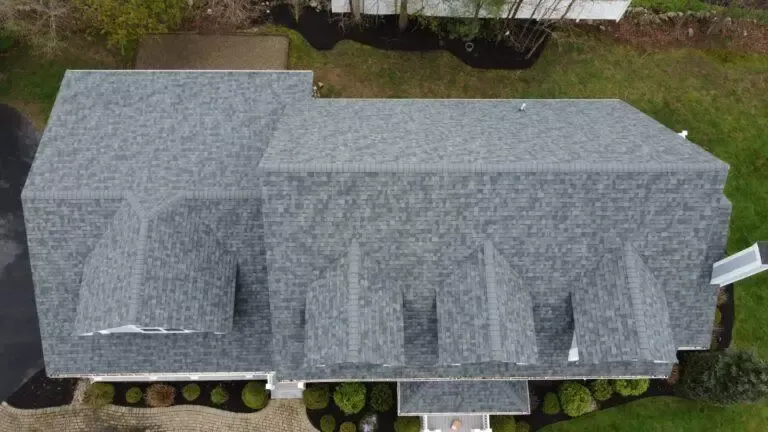
Drone Roof Inspection for Residential Buildings: Enhancing Safety & Efficiency
Traditional roof inspections can be slow and risky because of access challenges and fall hazards. In recent years, using Unmanned Aerial Systems (UAS) for inspection has become an effective way to overcome those limits and improve safety and detail.
Using uas for roofs structure inspections at post-occupational residential buildings, R Melo, 2020
Which Roof Components Show Visible Damage?
Some parts of the roof reveal damage sooner than others. Keep an eye on these components:
- Shingles: Damaged shingles are often the first visible problem and can lead to leaks if not fixed.
- Flashing: Flashing seals joints around chimneys and vents — when it fails, water follows.
- Gutters: Clogged or broken gutters can cause water to pool and harm your roof and siding.
How to Conduct a Roof Inspection Checklist for Damage Detection
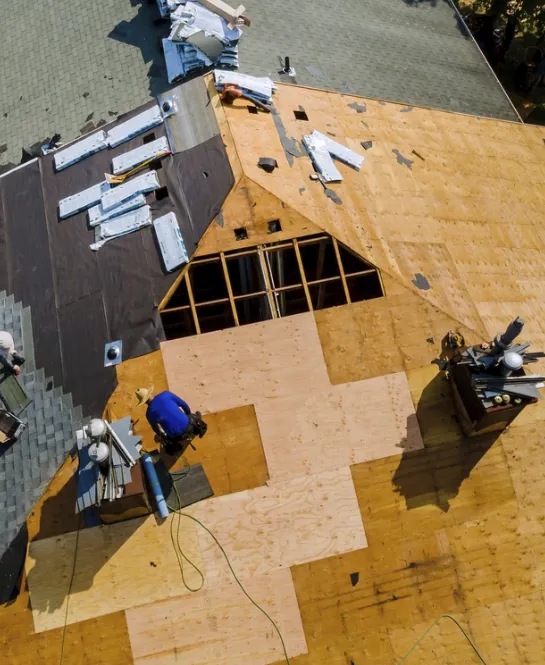
A quick inspection can reveal many problems. Use this checklist to guide your review:
- Inspect Shingles and Surface: Look for missing, cracked, or curled shingles up close.
- Check Flashing and Seals: Verify flashing around chimneys, vents, and skylights is secure and sealed.
- Evaluate Gutter System: Ensure gutters and downspouts are clear so water moves away from your roof and home.
What Steps Are Included in a Professional Roof Inspection?
A professional inspection typically follows these steps:
- Initial Consultation: Talk through your concerns and any visible issues. You can contact Over The Top Roofing to arrange this conversation.
- On-Site Roof Inspection: A detailed walk-through of the roof and its components to identify problems.
- Documentation and Recommendations: A clear report outlining findings and recommended repairs or maintenance.
When Should You Schedule Regular Roof Inspections?
Schedule professional inspections twice a year — ideally spring and fall — and after major storms. If you spot leaks, missing shingles, or other visible damage, don’t wait: contact a professional right away.
When to Replace Your Roof: Key Factors and Decision Guidelines
Deciding to replace a roof comes down to a few core factors:
- Age of the Roof: Most asphalt roofs last 20–30 years; if yours is near that range, replacement may be worth considering. See replacement options.
- Extent of Damage: Widespread damage or repeated leaks often make replacement more cost-effective than ongoing repairs.
- Energy Efficiency: Older roofs can reduce insulation performance, raising energy costs.
How to Differentiate Between Repair and Replacement Needs
Choosing repair versus replacement depends on condition and cost. Use these guidelines:
- Assess Roof Age: If the roof is near the end of its expected life, replacement is often the better long-term choice.
- Check Damage Scope: Is damage localized or throughout the roof? Multiple problem areas usually point to replacement.
- Run a Cost Comparison: Compare repair estimates with replacement quotes to make the most cost-effective decision. For tailored advice, visit Over The Top Roofing’s contact page.
What Roofing Materials and Warranties Affect Replacement Timing?
The material and warranty on your roof impact how long it lasts. Consider these points:
- Types of Materials: Asphalt, metal, and tile each have different lifespans, costs, and maintenance needs.
- Warranty Terms: Know your material and workmanship warranties — they can affect replacement timing and cost.
- Impact on Lifespan: Higher-quality materials and proper installation usually extend a roof’s life.
How to Choose a Reliable Roofing Contractor for Inspection and Repair
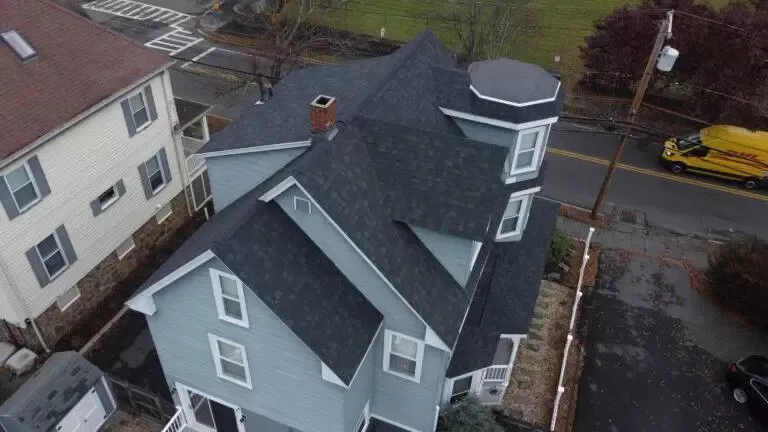
Picking the right contractor matters. Look for these key qualities:
- Licensing and Insurance: Verify the contractor is licensed and carries insurance to protect you and your property.
- Experience: Choose a team with a proven record; review past work in their portfolio.
- Written Estimates: Get clear, written estimates from several contractors so you can compare scope and price.
What Expertise and Services Should a Roofing Contractor Offer?
A dependable contractor should offer a full range of services, including:
- Roof Inspections: Thorough assessments to uncover current and potential issues.
- Repairs and Maintenance: Timely fixes and preventive care to extend your roof’s life. Learn more about roof repair services.
- Installation or Replacement: Professional installation when replacement is the right choice. Explore roofing installation options.
When planning a “roofing installation”, weigh material, cost, and warranty to find the best fit for your home and budget.
How Does Over The Top Roofing Ensure Quality and Customer Satisfaction?
Over The Top Roofing focuses on clear communication and dependable workmanship. They offer a free, no-obligation consultation, deliver detailed inspection reports, and recommend practical solutions. With quality checks and experienced crews, they aim to leave each customer confident in the results. To get started, contact Over The Top Roofing today.
Frequently Asked Questions
What are the benefits of regular roof maintenance?
Regular maintenance keeps your roof performing longer, helps avoid costly repairs, and can improve energy efficiency. Routine inspections catch small issues early, and timely fixes prevent leaks and structural problems. A well-kept roof also boosts curb appeal and resale value, giving you greater peace of mind.
How can I tell if my roof is energy efficient?
Watch your energy bills for sudden increases, which can signal poor insulation or ventilation. Inspect for missing shingles, leaks, or damaged flashing that could compromise insulation. Some materials — like metal or reflective shingles — are designed to improve efficiency. A professional inspection can pinpoint problems and suggest improvements. For expert evaluation, contact Over The Top Roofing.
What should I do if I find mold or algae on my roof?
If you spot mold or algae, address it quickly. Clean small areas with a mild detergent or a product made for roofs — avoid pressure washers that can harm shingles. For extensive or recurring growth, call a roofer for a full inspection and treatment plan. Improving ventilation and trimming tree branches can reduce future growth. Schedule an inspection with Over The Top Roofing for professional advice.
How do weather conditions affect roof longevity?
Weather has a big impact: UV rays dry and weaken shingles, heavy rain and wind can loosen materials, and snow or ice can lead to ice dams and leaks. Regular inspections after severe weather help catch damage early. Knowing your local climate helps you prepare and protect your roof. For storm-related inspections, contact Over The Top Roofing.
What are the signs that I need a complete roof replacement?
Look for widespread damage, multiple leaks, sagging areas, or shingles showing major wear — especially if the roof is 20–30 years old. If repairs are frequent or energy efficiency has dropped, replacement may be the smarter long-term investment. A professional assessment will help you decide. Learn more about roof replacement options.
Are there financing options available for roof repairs or replacement?
Many roofing companies offer financing plans to spread the cost of repairs or replacement. Options include payment plans and loans; terms vary by contractor. Some local programs or incentives may apply for energy-efficient upgrades, so discuss financing and possible incentives with your contractor up front. For details, contact Over The Top Roofing.
Conclusion
Knowing the signs of roof trouble helps you protect your home and avoid expensive repairs. Address leaks, visible damage, and efficiency problems quickly — and schedule a professional inspection with Over The Top Roofing if you’re unsure. Explore our roof repair and roofing installation services to keep your roof in top condition and your home safe year-round.
