
Emergency Roof Repairs: Fast, Practical Steps to Stop Leaks and Repair Storm Damage
When a sudden leak or storm hits, quick action matters. Emergency roof repairs stop water, limit damage, and keep repair costs from ballooning. This guide lays out clear, on-the-ground steps you can take right away: how to assess the damage safely, temporary fixes that actually work, and what to plan for longer-term repairs. If you’re feeling overwhelmed, follow these steps to protect your home and give yourself time to arrange professional help.
Immediate Assessment Steps
The first priority after roof damage is a fast, safe assessment. The goal is to understand how serious the issue is and whether it’s safe to work around the roof or call in pros immediately.
- Call for Emergency Help: Contact a trusted roofing contractor as soon as possible to report the damage and book an inspection. A prompt response can prevent water from causing more harm.
- Professional Damage Evaluation: A trained technician will inspect for active leaks, structural problems, and safety hazards so you know what repairs are needed next.
Some issues aren’t obvious from the ground; a trained eye can spot hidden problems that could get worse if left alone.
Immediate Roof & Chimney Damage Assessment Procedures
Bring in trained inspectors right away to evaluate roof and chimney damage and check related structural elements. Proper assessment reduces risk and helps prioritize repairs.
Post-earthquake damage assessment of buildings–procedure for conducting building inspections, M Uroš, 2020
Temporary Repair Techniques
Temporary repairs reduce further water intrusion while you arrange a permanent fix. These are practical, short-term measures to protect your home until professionals complete repairs.
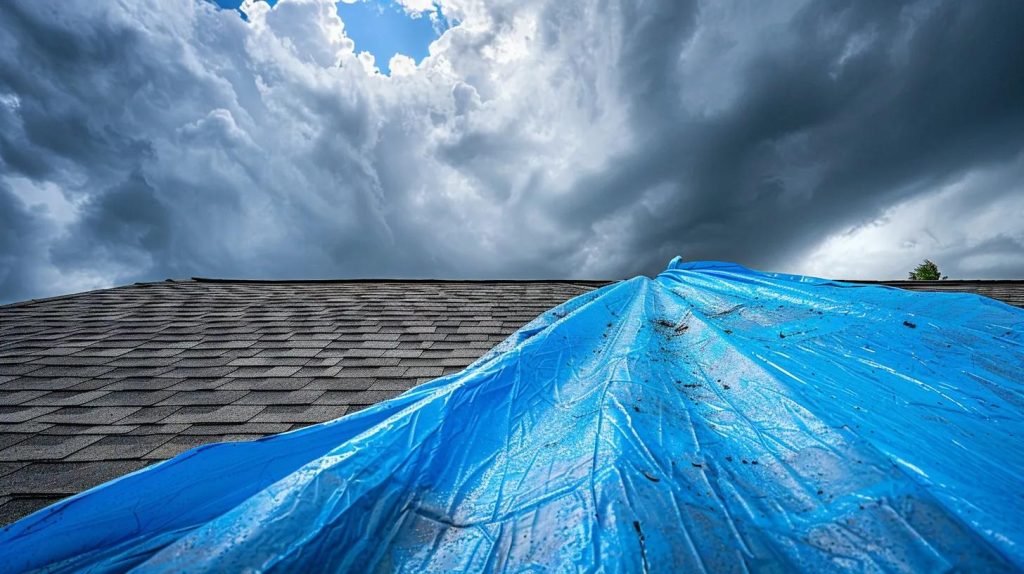
- Tarping to Keep Water Out: Cover the damaged area with a heavy-duty tarp and secure it so wind and rain won’t pull it loose. Properly installed tarps can buy you valuable time.
Research into water-repellent materials supports the use of reliable tarping and temporary coverings in emergency situations.
Temporary Roof Repair: PVC Tarps & Water Repellent Materials
Hydrophobic and water-repellent materials are often used in emergency coverings. PVC tarps remain a dependable option for temporary protection.
Hydrophobic Paper Architecture: Studies in the Sustainability of Impermanent Structures
- Patching Small Leaks: For minor leaks, roofing cement or an approved sealant offers a short-term seal until a permanent repair is done.
- Remove Debris: Clear branches, loose shingles, and other debris so professionals can inspect the roof safely and accurately.
Long-Term Repair Strategies
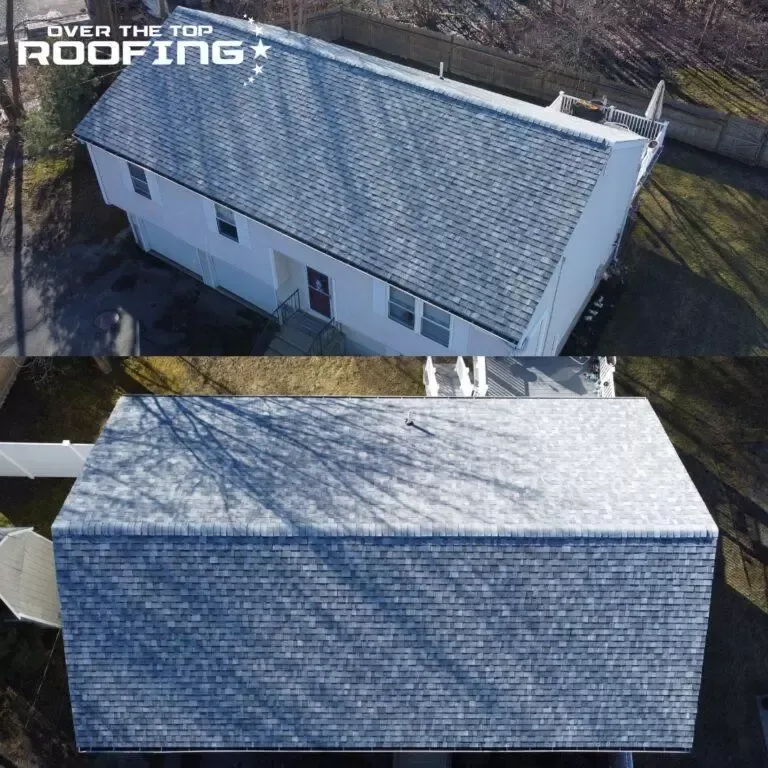
After the immediate risk is handled, plan for permanent repairs to restore your roof’s integrity and prevent repeat problems. Prioritize durable fixes and follow-up checks.
- Replace Damaged Materials: Remove and replace broken or missing shingles, flashing, and other compromised components to restore proper protection.
- Schedule Routine Inspections: Set recurring inspections to catch wear before it becomes an emergency. Preventive maintenance saves money and stress over time.
Understanding repair methods for different roofing systems helps ensure the right materials and techniques are used for lasting results.
Emergency & Permanent Repair for Nonconventional Roofing Systems
This handbook outlines illustrated procedures for repairing nonconventional roofing types—like single-ply membranes, modified bitumen, and sprayed foam—so emergency and permanent fixes follow best practices.
Handbook for Repairing Nonconventional Roofing Systems, 1988
Choosing a reliable emergency roofer matters. The right contractor not only fixes the immediate problem but also sets you up for a durable, code-compliant repair.
Considerations for Future Prevention
Preventing future roof problems takes routine attention and a few smart steps. These measures reduce the odds of another emergency.
- Regular Maintenance: Keep gutters clear, inspect shingles and flashing, and address small issues quickly before they grow.
- Document Repairs for Insurance: Keep photos, dates, and receipts for any damage and fixes—this makes filing claims smoother.
Work with a trustworthy contractor for repairs and maintenance. Over The Top Roofing has experience with storm-damage repairs and focuses on reliable, long-lasting results.
What Are the Immediate Steps to Take After Roof Damage?
Act quickly to limit damage. These are the key immediate steps most homeowners should take after noticing roof damage.
- Check the Damage Safely: From the ground, look for missing shingles, sagging rooflines, or wet spots on ceilings.
- Apply Temporary Protections: If it’s safe to do so, use a tarp or patch small leaks to keep water out until a professional can complete repairs.
How to Perform a Quick Roof Damage Assessment Safely
Follow simple safety rules when checking your roof to avoid injury and misjudgment.
- Put Safety First: If the roof looks unstable or weather is bad, wait for pro help—don’t risk climbing up.
- Start With a Ground Check: Use binoculars to scan from a safe spot before attempting any closer inspection.
When and How to Apply Temporary Roof Leak Repairs
Use temporary fixes right away when you spot an active leak or obvious storm damage.
- When to Act: If you see active leaks, water stains, or missing roofing, take temporary measures immediately.
- Materials to Have Ready: Keep roofing cement, a heavy tarp, nails or straps, and basic tools on hand for quick protection.
How to Choose Reliable Emergency Roof Repair Services Near You
Picking the right provider matters for speed and quality. Use these criteria to narrow your choices.
- Experience & Track Record: Choose companies with proven emergency-response experience and local references.
- Written Estimates: Always get an itemized written estimate so you understand scope, timing, and costs.
What to Look for in 24 Hour Roofing Repair Providers
When you need help right away, make sure your 24-hour provider checks these boxes.
- Licensing & Insurance: Verify the contractor is licensed and carries insurance to protect your property and their crew.
- Fast Response: Confirm their typical response time so you know how quickly help will arrive.
Why Over The Top Roofing Is Trusted for Storm Damage Roof Repair
Over The Top Roofing has built trust by focusing on fast responses and durable repairs. Here’s what homeowners value.
- Skilled Teams & Positive Reviews: Our crews handle a range of storm damage and customers report timely, professional work.
- Workmanship Guarantees: We stand behind repairs with warranties that give you confidence in the result.
What Are the Costs and Insurance Considerations for Emergency Roof Repairs?
Knowing likely costs and how insurance may help lets you plan and avoid surprises.
- Typical Repair Costs: Minor emergency repairs often fall between $300 and $1,500; larger, complex jobs can be significantly more depending on materials and scope.
- Insurance Coverage: Review your homeowner’s policy to see what storm or accidental roof damage is covered and what deductibles apply.
How to Navigate Insurance Claims for Storm and Roof Damage
Follow these steps to make the claims process smoother and more successful.
- Document Everything: Photograph damage and keep records of repairs, estimates, and receipts.
- Contact Your Agent Quickly: Notify your insurance agent right away to begin the claim process and get guidance on next steps.
What Factors Influence Emergency Roof Repair Pricing?
Several factors shape repair costs—knowing them helps set realistic expectations.
- Extent of Damage: Major structural issues or widespread shingle loss cost more to repair.
- Roofing Material: Asphalt, metal, tile, and specialty roofing each have different repair and replacement costs.
How to Prevent Further Damage While Waiting for Professional Roof Repair
While you wait for pros to arrive, these measures help prevent escalation of damage and interior issues.
- Use Temporary Fixes: Apply tarps and patch small leaks to keep water out.
- Have Materials Ready: Keep basic supplies on hand so temporary protection can be deployed quickly.
Effective Temporary Fixes to Minimize Leak Impact
These practical steps reduce immediate water damage and give your roofer time to plan a permanent fix.
- Ongoing Checks: Monitor the area for worsening leaks or new water entry.
- Tarping & Sealing: Securely tarping the roof and sealing visible openings are the most effective short-term measures.
When Is It Critical to Call a Professional Immediately?
Certain signs mean you should call a pro right away rather than attempting repairs yourself.
- Active, Interior Leaks: If water is entering the living space, call for emergency assistance immediately.
- Obvious Structural Damage: Any sagging, large missing sections, or unstable areas require professional evaluation for safety.
Considering a new roof can be the best long-term solution if your roof is heavily damaged or near the end of its life—this both prevents emergencies and increases home value.
If you need help now, please contact us. We respond quickly and can guide you through emergency measures and permanent repairs.
Frequently Asked Questions
What should I do if I notice a roof leak during a storm?
First, protect your interior—place buckets or containers under drips and move valuables out of the way. Don’t go on the roof in unsafe weather. If you can safely find the general leak area from inside, try to contain the water with a temporary seal or tarp once conditions improve. After the storm, contact a professional to inspect and repair the roof.
How can I prepare my roof for storm season?
Prepare by inspecting shingles and flashing for damage, cleaning gutters and downspouts, and trimming overhanging branches. Consider professional maintenance and any recommended waterproofing measures. Routine upkeep cuts the chance of emergency repairs when storms arrive.
What are the signs that I need a roof replacement?
Consider replacement if shingles are curling, cracked, or missing across wide areas, if you see sagging or persistent leaks, or if the roof is over 20 years old and showing general deterioration. A professional inspection will confirm whether repair or replacement is the best option.
How can I document roof damage for insurance claims?
Take clear photos from multiple angles, including interior water damage. Keep a dated log of observations, saved estimates, invoices, and receipts for temporary repairs. This documentation helps your adjuster assess the damage accurately and speeds up the claim.
What should I look for in a roofing warranty?
Check how long the warranty lasts and whether it covers both materials and workmanship. See if it’s transferable to a new homeowner and what actions could void the coverage, like poor maintenance or DIY repairs. A solid warranty protects your investment.
How often should I schedule roof inspections?
Schedule an inspection at least once a year—spring or fall are good times—and after any major weather event. Regular inspections spot problems early and extend the life of your roof.
What are the benefits of hiring a professional for roof repairs?
Professionals bring experience, proper tools, and access to quality materials. They perform safe, code-compliant work and often provide warranties. Hiring a pro reduces risk and helps ensure repairs last.
Conclusion
Handling an emergency roof problem starts with quick, safe decisions: assess the damage, apply temporary protections, and call a trusted roofer. With clear steps and timely action, you can limit damage, simplify insurance claims, and set up long-lasting repairs. Don’t wait until the next storm—reach out to experienced professionals to protect your home and your peace of mind.
