
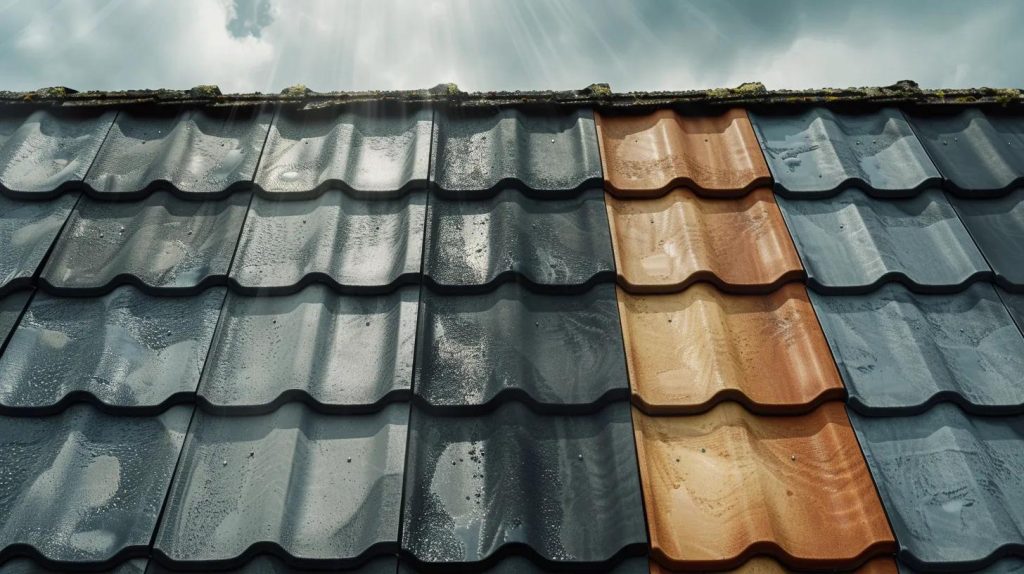
Top Factors Influencing Roofing Material Choice: Expert Guidance on Types, Durability, Cost, and Efficiency
Choosing the right roofing material is a critical decision for homeowners and commercial property owners alike. The selection process involves understanding various factors, including types of materials, their durability, cost implications, and energy efficiency. This article provides expert guidance on these essential aspects, helping you make an informed choice that aligns with your needs and budget. Many individuals face challenges in selecting the best roofing materials due to the overwhelming options available. By understanding the key factors influencing roofing material choice, you can navigate this process more effectively. We will explore the main types of roofing materials, their durability, cost considerations, and the importance of energy efficiency in your decision-making.
Indeed, the roof’s role extends beyond mere protection, encompassing aesthetic and energy performance aspects as highlighted by recent studies.
Comprehensive Guide to Roof Types, Materials, and Energy Efficiency
The roof is one of the most critical elements of any building structure. It serves as the primary protective shield against environmental elements like rain, sun, wind, and snow, thereby ensuring the comfort and safety of the inhabitants. However, a roof’s significance extends far beyond its protective function. It plays a crucial role in determining the architectural aesthetics of a building, contributing significantly to its overall visual appeal. Moreover, with advancements in technology and design, roofs have evolved to fulfill more complex roles such as enhancing energy efficiency, supporting renewable energy generation, and contributing to a building’s thermal performance. The choice of roof type, shape, and materials can impact these factors greatly, making it an essential aspect of building design and construction.
Construction of Various Roofs and their Architectural Applications, 2023
What Are the Main Types of Roofing Materials Available?
When it comes to roofing materials, there are several options to consider, each with its unique characteristics and benefits. The most common types include asphalt shingles, metal roofing, tile roofing, slate, and synthetic materials. Understanding these options can help you choose the best roofing material for your specific needs.
How Do Asphalt Shingles, Metal, Tile, and Slate Compare?
Asphalt shingles are one of the most popular roofing materials due to their affordability and ease of installation. They typically last 20-30 years and come in various colors and styles. Metal roofing, on the other hand, is known for its durability and longevity, often lasting 40-70 years. It is also energy-efficient and can reflect heat, reducing cooling costs. Tile roofing, made from clay or concrete, offers excellent durability and aesthetic appeal, with a lifespan of 50 years or more. Slate roofing is another long-lasting option, known for its natural beauty and durability, often exceeding 75-100 years depending on the quality and maintenance. Each material has its pros and cons, making it essential to consider your specific requirements when making a choice.
What Are the Pros and Cons of Synthetic Roofing Materials?
Synthetic roofing materials have gained popularity due to their lightweight nature and versatility. They can mimic the appearance of traditional materials like wood or slate while offering enhanced durability and lower maintenance requirements. However, some synthetic options may not have the same lifespan as natural materials, and their performance can vary based on the quality of the product. It’s crucial to weigh the advantages, such as cost-effectiveness and ease of installation, against potential downsides like longevity and environmental impact.
How Does Durability Affect Roofing Material Selection?
Durability is a significant factor in roofing material selection, as it directly impacts the lifespan and maintenance needs of your roof. Choosing a durable material can save you money in the long run by reducing the frequency of repairs and replacements.
Which Roofing Materials Offer the Longest Lifespan?
Among the various roofing materials, slate and metal roofing stand out for their exceptional longevity. Slate roofs can last 75-100 years or more with proper maintenance, while metal roofs can endure for 40-70 years. Tile roofing also offers a long lifespan, typically lasting 50 years or more. In contrast, asphalt shingles, while cost-effective, generally have a shorter lifespan of 20-30 years. Selecting a durable roofing material can significantly reduce long-term costs and enhance the overall value of your property.
How Do Fire Resistance and Weather Adaptability Influence Durability?
Fire resistance and weather adaptability are crucial factors that influence the durability of roofing materials. Materials like metal and tile are highly resistant to fire, making them safer options in areas prone to wildfires. Additionally, roofing materials that can withstand extreme weather conditions, such as heavy rain, snow, and high winds, are essential for maintaining the integrity of your roof. Understanding these factors can help you choose a roofing material that not only lasts longer but also protects your property from potential damage.
What Are the Cost Considerations When Choosing Roofing Materials?
Cost is a vital consideration when selecting roofing materials, as it encompasses both initial expenses and long-term maintenance costs. Understanding the financial implications of your choice can help you make a more informed decision.
How Do Initial Costs and Maintenance Expenses Compare Across Materials?
The initial cost of roofing materials can vary significantly. Asphalt shingles are typically the most affordable option, with installation costs ranging from $100 to $150 per square (100 square feet). Metal roofing, while more expensive upfront, can save money over time due to its durability and low maintenance needs. Tile and slate roofing have higher initial costs, often ranging from $600 to $1,200 per square, but their longevity can justify the investment. It’s essential to consider both the initial costs and the long-term maintenance expenses when evaluating your options.
What Budget Factors Should Homeowners and Commercial Owners Consider?
When budgeting for a roofing project, homeowners and commercial property owners should consider several factors, including the type of material, installation costs, and potential maintenance expenses. Additionally, it’s crucial to account for any necessary permits and inspections, which can add to the overall cost. Consulting with a professional “roofing service provider”, like Over The Top Roofing, can help you navigate these considerations and develop a budget that meets your needs.
Why Is Energy Efficiency Important in Roofing Material Choice?
Energy efficiency is an increasingly important factor in roofing material selection, as it can significantly impact utility costs and environmental sustainability. Choosing energy-efficient roofing materials can lead to substantial savings over time.
Further research delves into the systematic selection of optimal roof materials and forms to achieve sustainable and energy-efficient architectural designs.
Selecting Optimal Roof Materials and Forms for Energy Efficiency
As this study considers the selection of roof material along with the form, a total of seven roof materials have been considered, along with four roof forms. These alternatives have been
Unveiling the optimal roof design for a sustainable and energy-efficient modern vernacular architecture—An MCDM, simulation, and experimental framework, PR Chanda, 2025
Research further emphasizes the importance of selecting materials with low energy requirements for overall building efficiency.
Energy-Efficient Material Selection for Roofs
“low energy” materials such as timber for floors and roof, and concrete for ground floor,
Materials selection and energy efficiency, 2005
Which Roofing Materials Provide the Best Energy Savings?
Metal roofing and certain types of tile roofing are known for their energy efficiency. These materials reflect sunlight, reducing heat absorption and lowering cooling costs during hot months. Additionally, some synthetic roofing materials are designed with energy efficiency in mind, offering insulation properties that can further enhance energy savings. Selecting energy-efficient roofing materials not only benefits your wallet but also contributes to a more sustainable environment.
Beyond material choice, optimizing the structural form of a roof can also lead to substantial life-cycle energy savings and reduce the embodied energy of materials.
Optimizing Roof Structure for Life-Cycle Energy Savings & Material Efficiency
This study evaluates the potential for life-cycle energy savings in buildings through the use of efficient structural roof form. A simulation-based optimization methodology was developed for comparing the energy requirements of reinforced concrete structures based on conventional flat slabs with those employing alternative vaulted spanning elements, in which the required quantities of high embodied-energy materials like steel and cement may be significantly reduced. The modeling framework combines structural and thermal analyses for
Optimizing structural roof form for life-cycle energy efficiency, D Pearlmutter, 2015
Innovative approaches, such as incorporating phase change materials, can further enhance the cooling performance of roofs, particularly metal ones.
Phase Change Materials for Enhanced Roof Cooling
31% in the case of no PCM metal roof without PCM and 35% for the metal roof with PCM.
Application of phase change materials and conventional thermal mass for control of roof-generated cooling loads, WA Miller, 2020
How Do Environmental Impact and Sustainability Influence Material Selection?
The environmental impact of roofing materials is an essential consideration for many homeowners and commercial property owners. Sustainable options, such as recycled metal roofing or eco-friendly synthetic materials, can minimize your carbon footprint. Additionally, materials that are locally sourced can reduce transportation emissions. By prioritizing sustainability in your roofing material choice, you can contribute to environmental conservation while also enhancing the value of your property.
Beyond material choice, the very form and structure of a roof can be optimized for significant life-cycle energy savings.
Optimizing Roof Form for Life-Cycle Energy Efficiency
life-cycle energy savings in buildings through the use of efficient structural roof form. A simulation-based optimization methodology was developed for comparing the energy requirements
Optimizing structural roof form for life-cycle energy efficiency, D Pearlmutter, 2015
For more information on roofing solutions, consider visiting Over The Top Roofing.
To explore various roofing options and services, contact us today.
Frequently Asked Questions
What factors should I consider when selecting roofing materials for extreme weather conditions?
When selecting roofing materials for extreme weather conditions, consider factors such as wind resistance, water resistance, and thermal performance. Materials like metal and tile are known for their durability against high winds and heavy rain. Additionally, look for materials with high fire resistance if you live in wildfire-prone areas. Insulation properties are also crucial, as they can help maintain indoor temperatures and reduce energy costs. Consulting with a roofing professional can provide tailored recommendations based on your local climate.
How can I assess the environmental impact of different roofing materials?
To assess the environmental impact of roofing materials, consider their lifecycle analysis, which includes production, transportation, installation, and disposal. Look for materials that are sustainably sourced, recyclable, or made from recycled content. Certifications like Energy Star or LEED can also indicate environmentally friendly options. Additionally, consider the energy efficiency of the materials, as those that reduce energy consumption can lower your carbon footprint. Researching manufacturers’ sustainability practices can provide further insights into their environmental impact.
What maintenance requirements should I expect for different roofing materials?
Maintenance requirements vary significantly among roofing materials. Asphalt shingles typically require regular inspections and occasional repairs, while metal roofs are low-maintenance and may only need periodic cleaning. Tile and slate roofs can last long with minimal upkeep but may require professional inspections to check for cracks or loose tiles. Synthetic materials often have lower maintenance needs but can vary based on quality. Understanding these requirements can help you choose a material that fits your lifestyle and maintenance preferences.
Are there any roofing materials that can help reduce energy costs?
Yes, certain roofing materials can significantly reduce energy costs. Metal roofing is highly reflective, which helps keep homes cooler in summer, thereby lowering air conditioning costs. Similarly, tile roofing can provide excellent insulation, reducing heating and cooling demands. Additionally, some synthetic materials are designed with energy efficiency in mind, offering insulation properties that enhance energy savings. Choosing materials with high energy efficiency ratings can lead to substantial long-term savings on utility bills.
What are the benefits of hiring a professional roofing contractor?
Hiring a professional roofing contractor offers several benefits, including expertise in material selection, installation techniques, and local building codes. Professionals can provide accurate estimates and ensure that the roofing system is installed correctly, which is crucial for longevity and performance. They also have access to high-quality materials and can offer warranties on both materials and workmanship. Additionally, a professional can identify potential issues early, saving you time and money in the long run.
How do I know when it's time to replace my roof?
Signs that it may be time to replace your roof include visible wear and tear, such as missing shingles, leaks, or sagging areas. If your roof is approaching the end of its expected lifespan—typically 20-30 years for asphalt shingles and 40-70 years for metal—it’s wise to consider replacement. Additionally, if you notice increased energy bills or frequent repairs, these may indicate that your roof is no longer performing efficiently. A professional inspection can provide a definitive assessment of your roof’s condition.
Conclusion
Choosing the right roofing material is essential for ensuring durability, energy efficiency, and aesthetic appeal. By understanding the various options available, including asphalt shingles, metal, tile, and slate, you can make an informed decision that aligns with your specific needs and budget. Prioritizing sustainable and energy-efficient materials not only benefits your property but also contributes to environmental conservation. For expert guidance and a wide selection of roofing solutions, contact us today.
