
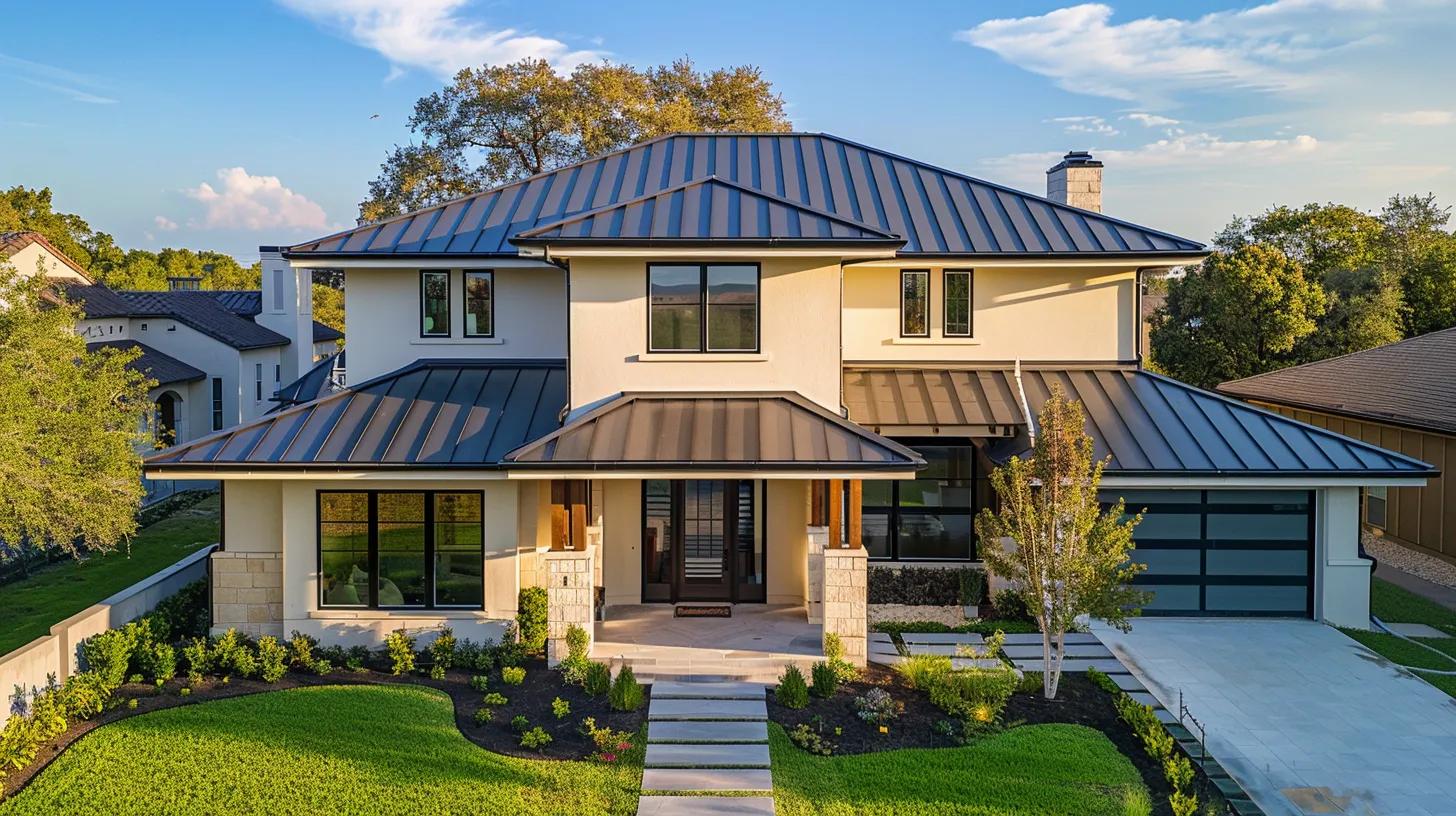
Smart Roofing: Tough & Budget-Friendly
Choosing the right roofing material is crucial for ensuring the longevity and cost-effectiveness of your home. With a variety of options available, understanding the characteristics and benefits of each material can help homeowners make informed decisions. This article will guide you through the selection process, focusing on durability and cost efficiency, two key factors that influence roofing choices. We will explore the most durable roofing materials, their costs, installation methods, maintenance options, and how energy efficiency plays a role in your selection. By the end, you will have a comprehensive understanding of how to choose the best roofing material for your needs.
What Are the Most Durable Roofing Materials Available?
When considering roofing materials, durability is a primary concern for homeowners. Durable roofing materials not only withstand harsh weather conditions but also provide long-term value. The most durable options include metal roofing, asphalt shingles, and tile roofing, each offering unique benefits and longevity.
How Does Metal Roofing Provide Longevity and Strength?
Metal roofing is renowned for its exceptional durability and strength. It can last 40 to 70 years, depending on the material type, such as steel or aluminum. Metal roofs are resistant to extreme weather conditions, including high winds, heavy rain, and snow. Additionally, they are fire-resistant and can reflect solar radiant heat, which helps in reducing energy costs. This longevity and resilience make metal roofing a popular choice for homeowners seeking a long-term investment.
What Are the Benefits of Asphalt Shingles and Tile Roofing?
Asphalt shingles are one of the most commonly used roofing materials due to their cost-effectiveness and variety of styles. They typically last 20 to 30 years and are available in numerous colors and designs, allowing for aesthetic flexibility. Tile roofing, on the other hand, offers a longer lifespan of 50 years or more and is highly resistant to fire and rot. Both materials provide excellent protection against the elements, making them reliable choices for homeowners.
How Do Roofing Material Costs and Installation Affect Your Choice?
The cost of roofing materials and their installation can significantly impact your decision. Understanding the typical costs associated with various materials and the installation process is essential for budgeting your roofing project.
What Is the Typical Installation Cost for Different Roofing Materials?
Installation costs can vary widely based on the type of roofing material chosen. For example, metal roofing installation can range from $5.00 to $12.00 per square foot, while asphalt shingles typically cost between $3.50 and $5.50 per square foot. Tile roofing can be more expensive, with installation costs ranging from $7.00 to $15.00 per square foot. These costs reflect not only the materials but also the labor involved in the installation process. For professional installation services, visit Over The Top Roofing Installation.
| Roofing Material | Average Cost per Square Foot | Lifespan |
|---|---|---|
| Metal Roofing | $5.00 – $12.00 | 40-70 years |
| Asphalt Shingles | $3.50 – $5.50 | 20-30 years |
| Tile Roofing | $7.00 – $15.00 | 50+ years |
Understanding these costs can help you make a more informed decision about which roofing material fits your budget and needs.
How Do Installation Methods Impact Roofing Material Performance?
The installation method can greatly affect the performance and longevity of roofing materials. Proper installation ensures that the roofing system functions as intended, providing adequate protection against the elements. Common installation mistakes, such as improper sealing or inadequate ventilation, can lead to premature failure of the roofing system. Therefore, hiring experienced professionals for installation is crucial to maximize the lifespan of your roofing material. Learn more about proper installation techniques at Roofing Installation Services.
Which Roofing Materials Offer the Best Long-Lasting and Maintenance Options?
Selecting roofing materials that require minimal maintenance while offering longevity is essential for homeowners. Understanding the maintenance needs of different materials can help you choose wisely.
What Maintenance Tips Extend the Life of Metal, Asphalt, and Tile Roofs?
To extend the life of your roofing system, regular maintenance is key. Here are some tips for each type of roofing material:
- Metal Roofing: Regularly inspect for rust or corrosion and clean debris to prevent water pooling.
- Asphalt Shingles: Keep gutters clean and check for damaged shingles to prevent leaks.
- Tile Roofing: Inspect for cracked tiles and ensure proper drainage to avoid water damage.
Implementing these maintenance practices can significantly enhance the durability of your roofing material. For professional maintenance services, visit Roof Maintenance.
How Do Roofing Material Warranties Reflect Durability?
Warranties are an important consideration when selecting roofing materials. They often reflect the manufacturer’s confidence in the product’s durability. For instance, metal roofing typically comes with warranties ranging from 20 to 50 years, while asphalt shingles may offer 20 to 30-year warranties. Tile roofing often includes warranties of 50 years or more. Understanding warranty terms can help you gauge the expected lifespan and reliability of your chosen roofing material.
How Can Energy Efficiency and Environmental Factors Influence Roofing Material Selection?
Energy efficiency is becoming an increasingly important factor in roofing material selection. Homeowners are looking for materials that not only provide durability but also contribute to energy savings.
What Are the Advantages of Energy Efficient Roofing Materials?
Energy-efficient roofing materials can significantly reduce heating and cooling costs. For example, reflective metal roofing can lower energy bills by reflecting sunlight, while cool roofing materials can help maintain lower temperatures in the home. These options not only save money but also reduce the environmental impact by decreasing energy consumption.
Research further supports the effectiveness of reflective roofs in mitigating solar heat gain and optimizing energy performance, especially in warmer climates.
Optimizing Roofs for Energy Savings in Hot Climates
design guidelines for hot arid climates, finding that while green and sloped roofs contributed to energy savings, reflective roofs proved most effective in reducing solar heat gain and
Building Information Modeling and AI Algorithms for Optimizing Energy Performance in Hot Climates: A Comparative Study of Riyadh and Dubai, MH Mehraban, 2024
How Do Eco-Friendly Roofing Options Compare in Durability and Cost?
Eco-friendly roofing options, such as recycled metal or sustainably sourced wood, are gaining popularity. While they may have a higher upfront cost, their durability and energy efficiency can lead to long-term savings. For instance, recycled metal roofing can last up to 70 years, making it a sustainable choice that also benefits the environment.
The importance of sustainable material selection is further highlighted by studies on building performance and environmental impact.
Sustainable Material Selection for Building Performance
LCA can assist in material selection through the sustainable sourcing of materials [12], and can also be used to predict building environmental performance, as well as sustainable
BIM integrated LCA for promoting circular economy towards sustainable construction: an analytical review, MU Hossain, 2021
In conclusion, selecting the right roofing material involves considering durability, cost, maintenance, and energy efficiency. By understanding the various options available, homeowners can make informed decisions that enhance the longevity and value of their homes. For expert consultation and installation of roofing materials tailored to your needs, Over The Top Roofing is here to help you navigate your roofing project with quality and reliability.
For more information on how to choose the right roofing material and to get expert advice, contact us today. We are here to assist you with all your roofing needs.
Frequently Asked Questions
What factors should I consider when choosing roofing materials?
When selecting roofing materials, consider factors such as climate, durability, cost, and energy efficiency. The local weather conditions can influence the longevity of materials, while your budget will determine what options are feasible. Additionally, think about the aesthetic appeal and maintenance requirements of each material. Understanding these factors will help you choose a roofing solution that meets your needs and enhances your home’s value.
How do I know if my roofing material is energy efficient?
To determine if your roofing material is energy efficient, look for products that have reflective properties or are labeled as “cool roofs.” These materials are designed to reflect sunlight and reduce heat absorption, which can lower cooling costs. Additionally, check for energy performance ratings or certifications from organizations like ENERGY STAR. Consulting with roofing professionals can also provide insights into the energy efficiency of various materials.
What are the environmental impacts of different roofing materials?
The environmental impact of roofing materials varies significantly. Traditional materials like asphalt shingles can contribute to landfill waste, while eco-friendly options, such as recycled metal or sustainably sourced wood, minimize environmental harm. Additionally, energy-efficient roofs can reduce energy consumption, further lowering their carbon footprint. When selecting roofing materials, consider their lifecycle, including production, installation, and disposal, to make a more sustainable choice.
How can I assess the warranty of my roofing material?
To assess the warranty of your roofing material, review the terms and conditions provided by the manufacturer. Look for the duration of the warranty, what it covers, and any exclusions. A longer warranty often indicates the manufacturer’s confidence in the product’s durability. Additionally, check if the warranty is transferable, as this can add value if you decide to sell your home. Understanding warranty details can help you gauge the expected lifespan of your roofing material.
What are the common mistakes to avoid during roofing installation?
Common mistakes during roofing installation include improper sealing, inadequate ventilation, and neglecting to follow manufacturer guidelines. These errors can lead to leaks, reduced energy efficiency, and premature material failure. To avoid these issues, hire experienced professionals who understand the specific requirements of your chosen roofing material. Proper installation is crucial for maximizing the lifespan and performance of your roofing system. For professional installation, visit Roofing Installation Services.
How often should I inspect my roof for maintenance?
It is recommended to inspect your roof at least twice a year, ideally in the spring and fall. Additionally, conduct inspections after severe weather events, such as heavy storms or hail. Regular inspections help identify potential issues early, such as damaged shingles or debris buildup, allowing for timely repairs. Keeping up with maintenance can significantly extend the life of your roofing material and prevent costly repairs down the line. For maintenance services and tips, visit Roof Maintenance.
Conclusion
Selecting the right roofing material is essential for ensuring durability and cost efficiency in your home. By understanding the benefits of options like metal, asphalt, and tile roofing, you can make informed decisions that enhance your property’s value and longevity. For personalized guidance and expert installation tailored to your needs, consider reaching out to our team at Over The Top Roofing. Explore our services today to secure the best roofing solution for your home. Contact us for expert assistance.
